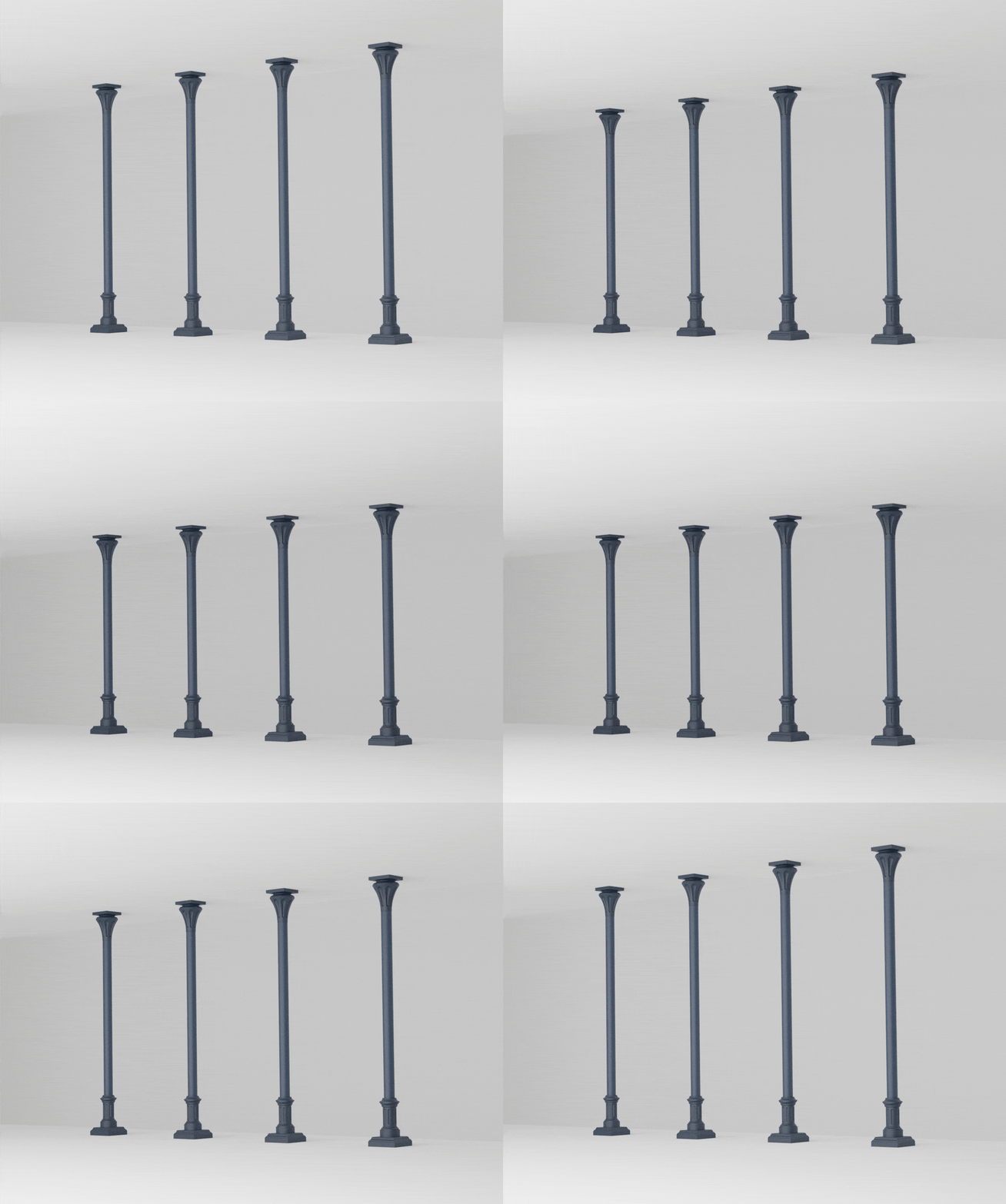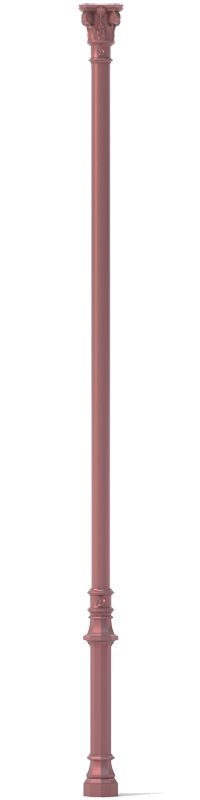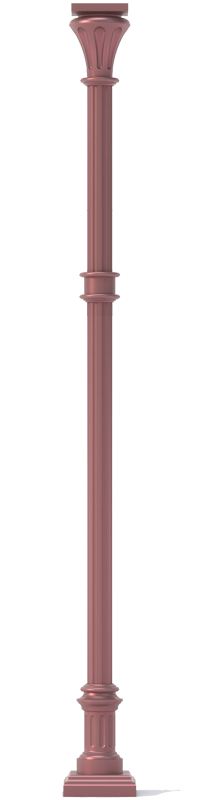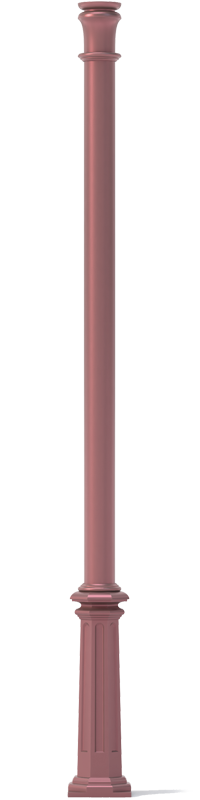
• HERODC241002

    Architectural modular columns

Uncategorised EN


Very Simple Image Gallery:
Could not find folder /home/dccolumn/public_html/site/images/configurator/kop80/

png |


Very Simple Image Gallery:
Could not find folder /home/dccolumn/public_html/site/images/configurator/pole80/

{vsig_c} 1 | 80 pole/vsig_c} 80P1 {1. png |

{vsig_c} 1 | 80 pole 2.80P2 {/vsig_c} png |

png |


Very Simple Image Gallery:
Could not find folder /home/dccolumn/public_html/site/images/configurator/ringt80/

Very Simple Image Gallery:
Could not find folder /home/dccolumn/public_html/site/images/configurator/ringb80/

Very Simple Image Gallery:
Could not find folder /home/dccolumn/public_html/site/images/configurator/voet80/
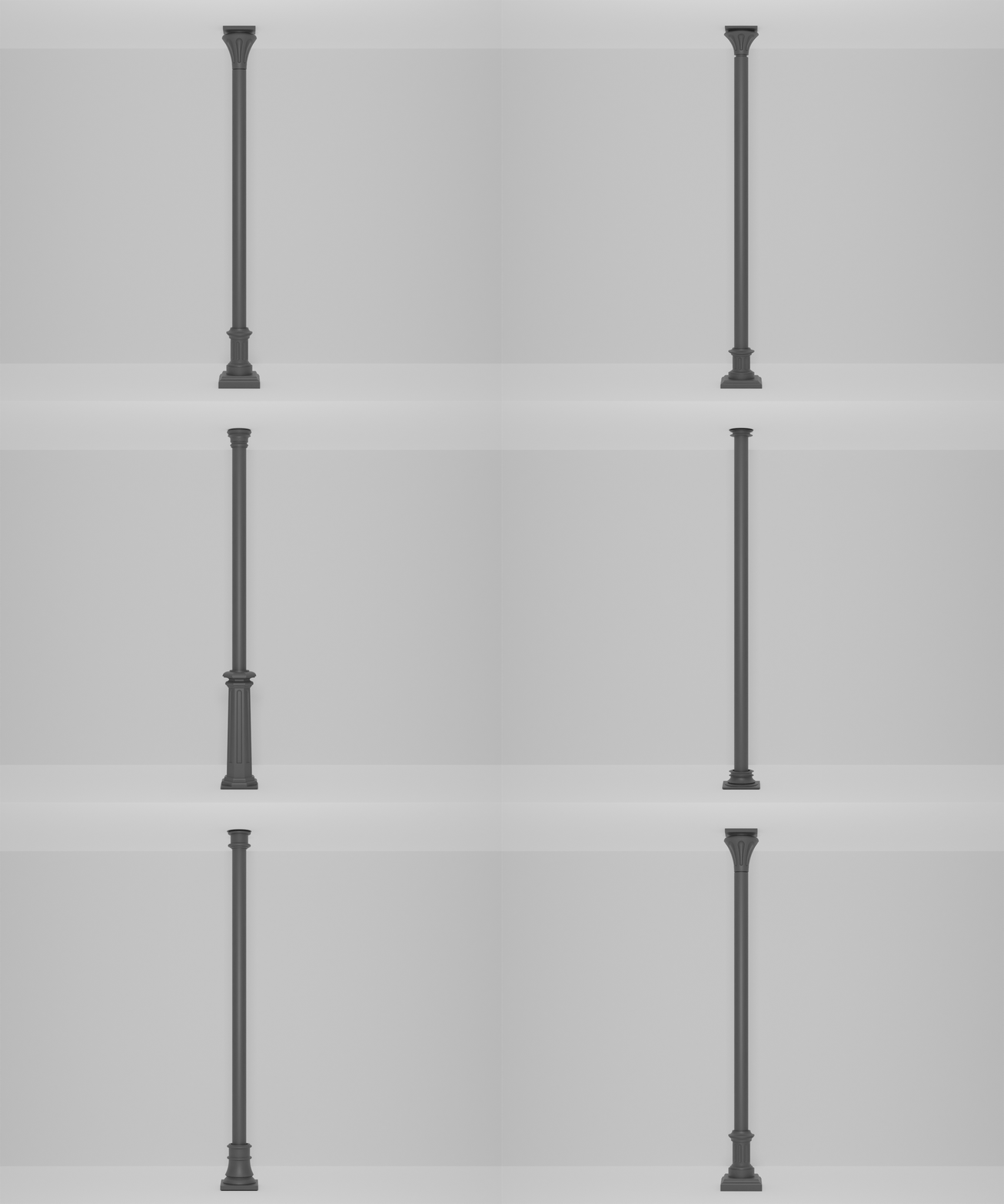
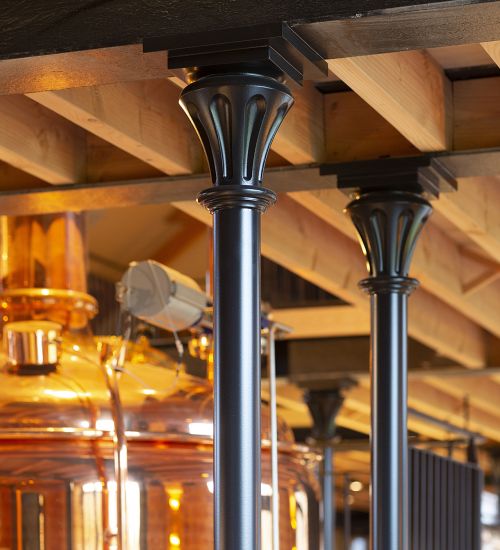
Cast iron columns, decorative, architectural and structural, made to measure, for outdoor as well as for indoor projects


An innovative concept in cast aluminum, designed for a lifetime!


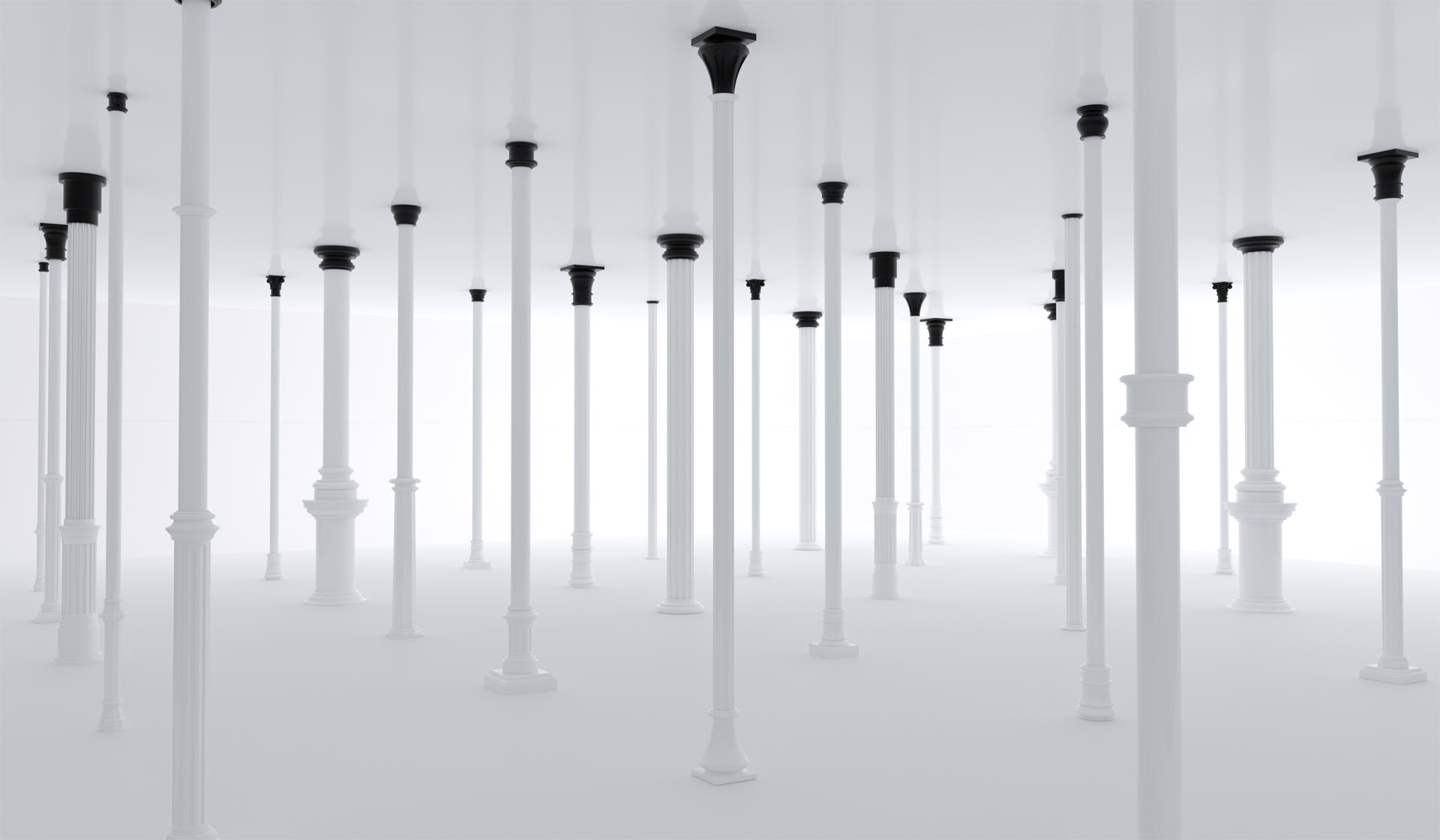
Endless possibilities with our modular columns


Compose your own column

Compose your own column

Thanks to our large range of decorative ornaments, you can compose your column as you wish
Simple mounting

Simple mounting

With DC-FIX (fixation plates), we ensure a quick and easy installation.
Customised

Customised

Any size from xx to xxx m is possible. The customisation that your project needs.


Discover our columns with our extensive range of ornaments

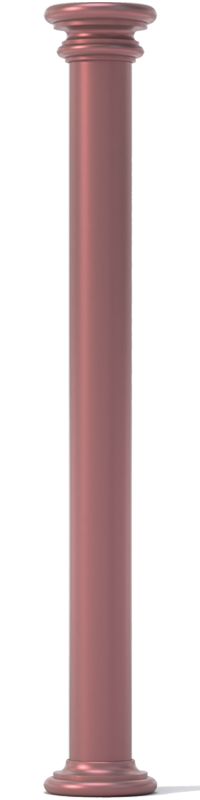
We offer columns in six diameters; available in round and fluted versions.


DC 060DC 060
DC 080DC 080
DC 100DC 100
DC 140DC 140
DC 150DC 150
DC 200DC 200


Columns for each project


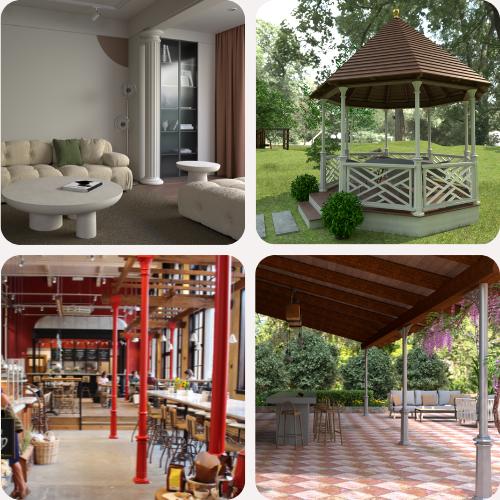
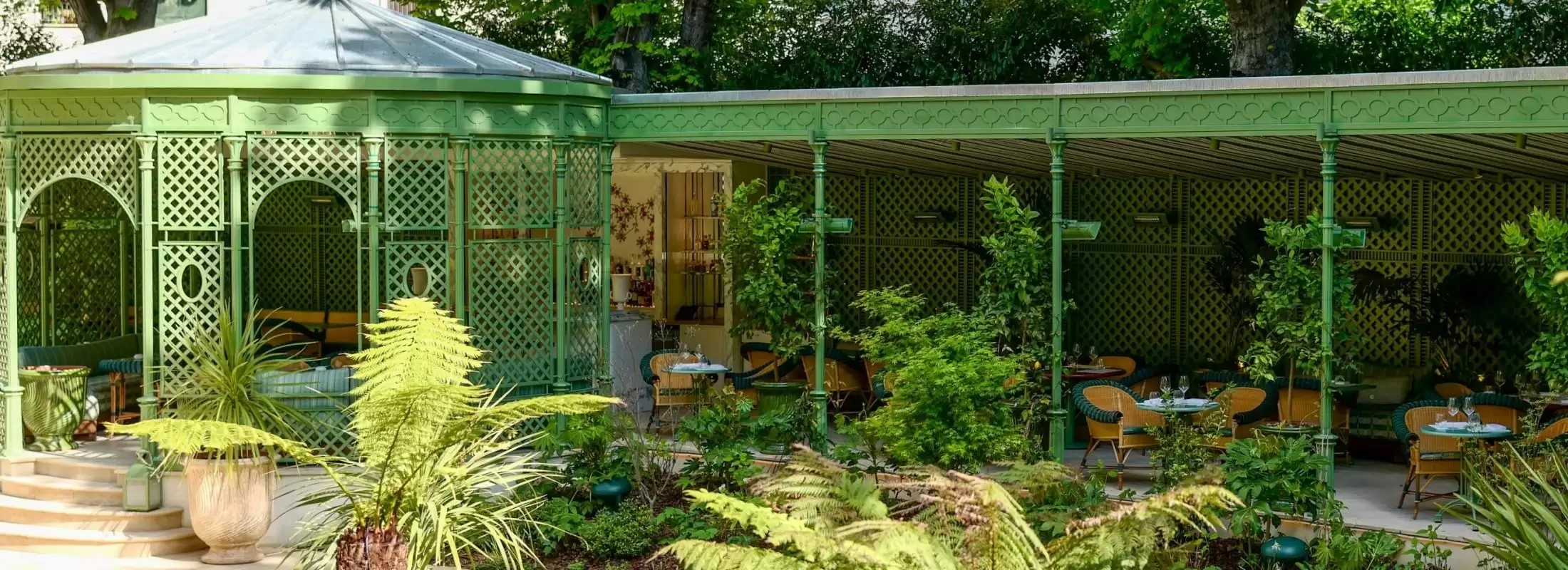
The columns can be placed both outdoors (veranda, pergola, gazebo, orangery, ...) and indoors (loft, renovation, decoration, ...).

Get inspired


Load-bearing structure


Our columns are not only decorative but also structural.

Are you looking for a load-bearing decorative column? Consult our buckling report to see which posts are suitable for your situation.

View technical information


 4881381 1477627 0 91 2649 965 2200 800

Paris: Hotel Saint-James


Architects, designers and professionals


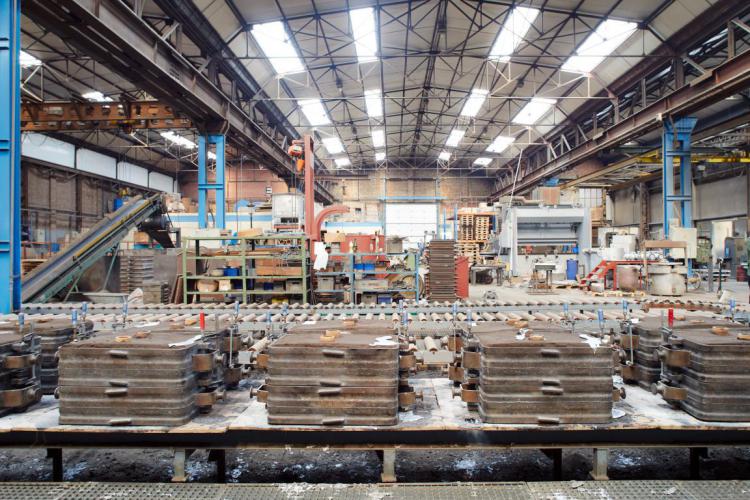
mini mini mini 20190930 Kortrijk Foundry 021


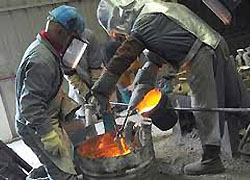
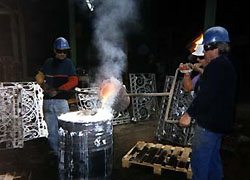
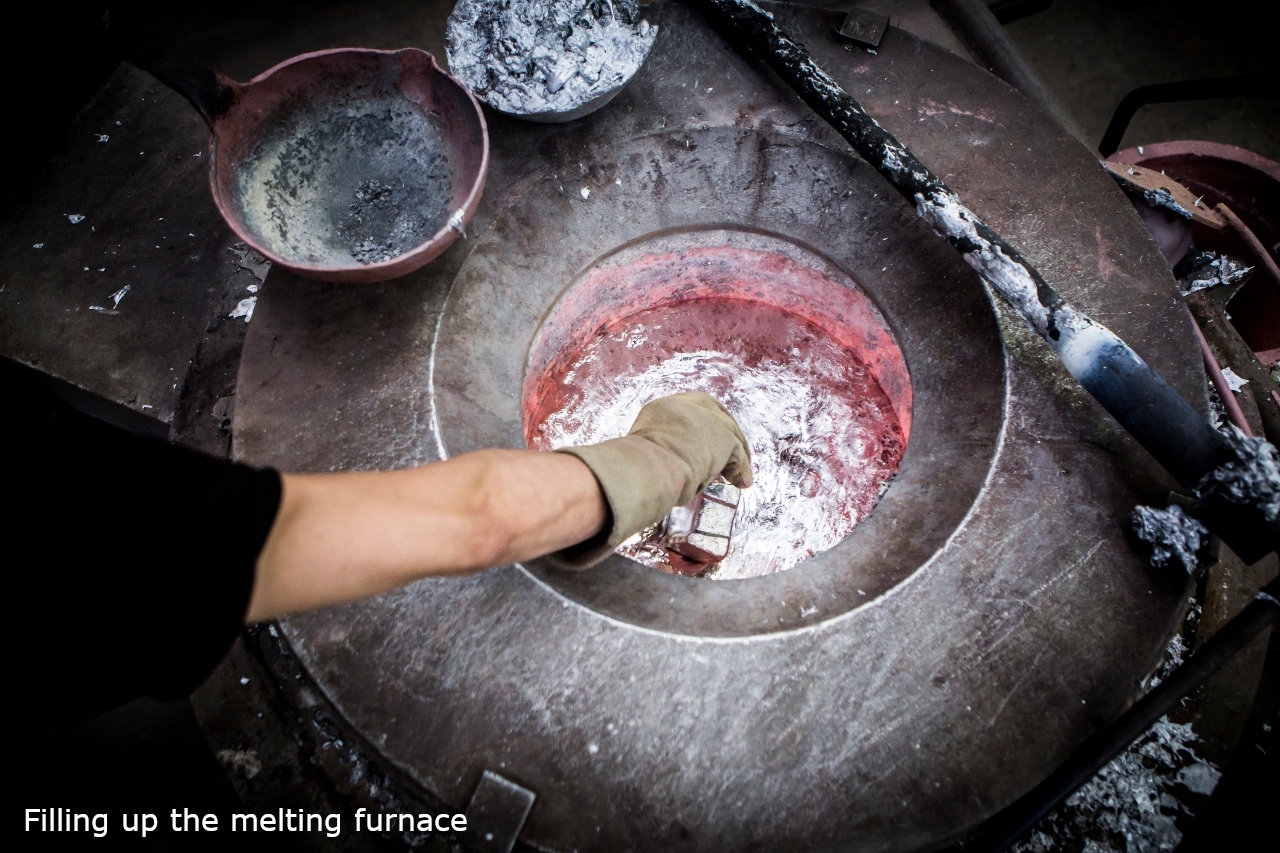
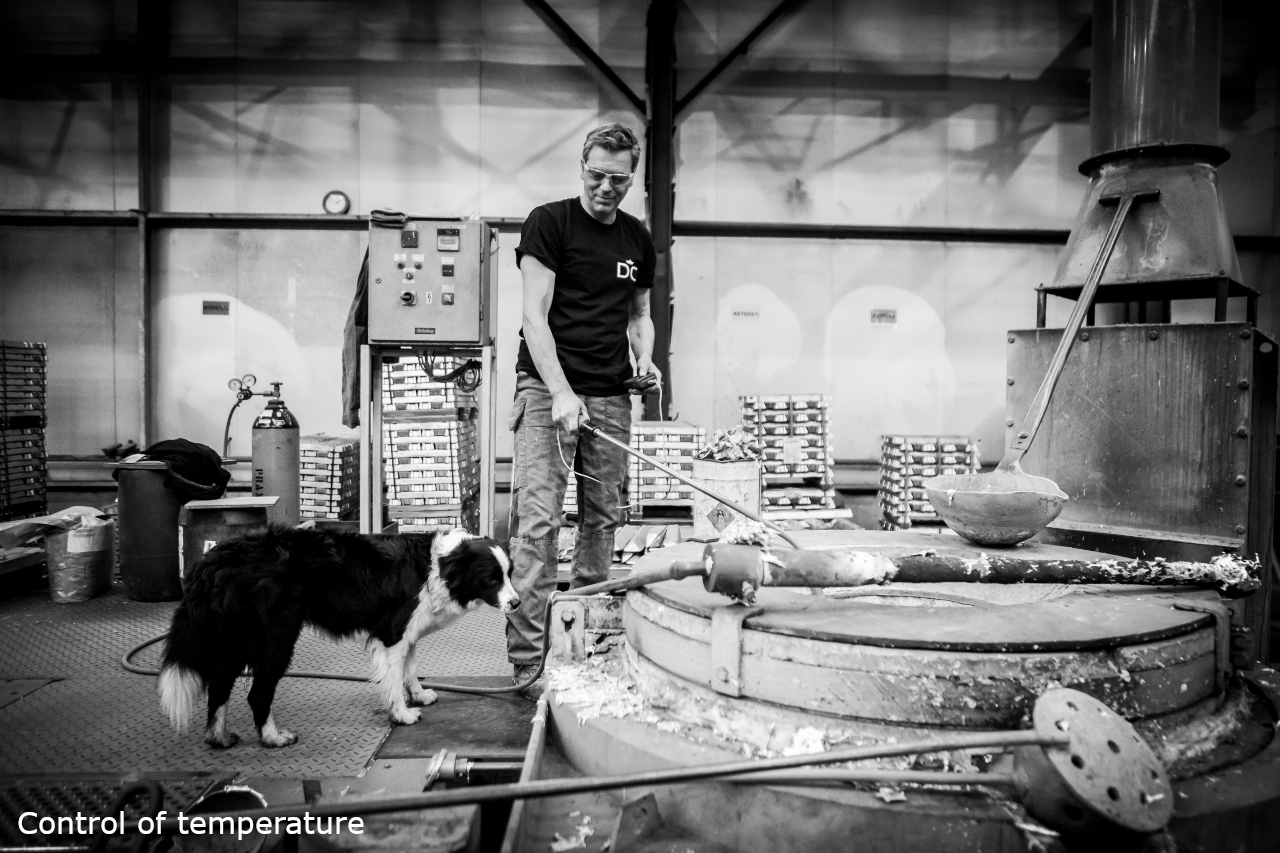
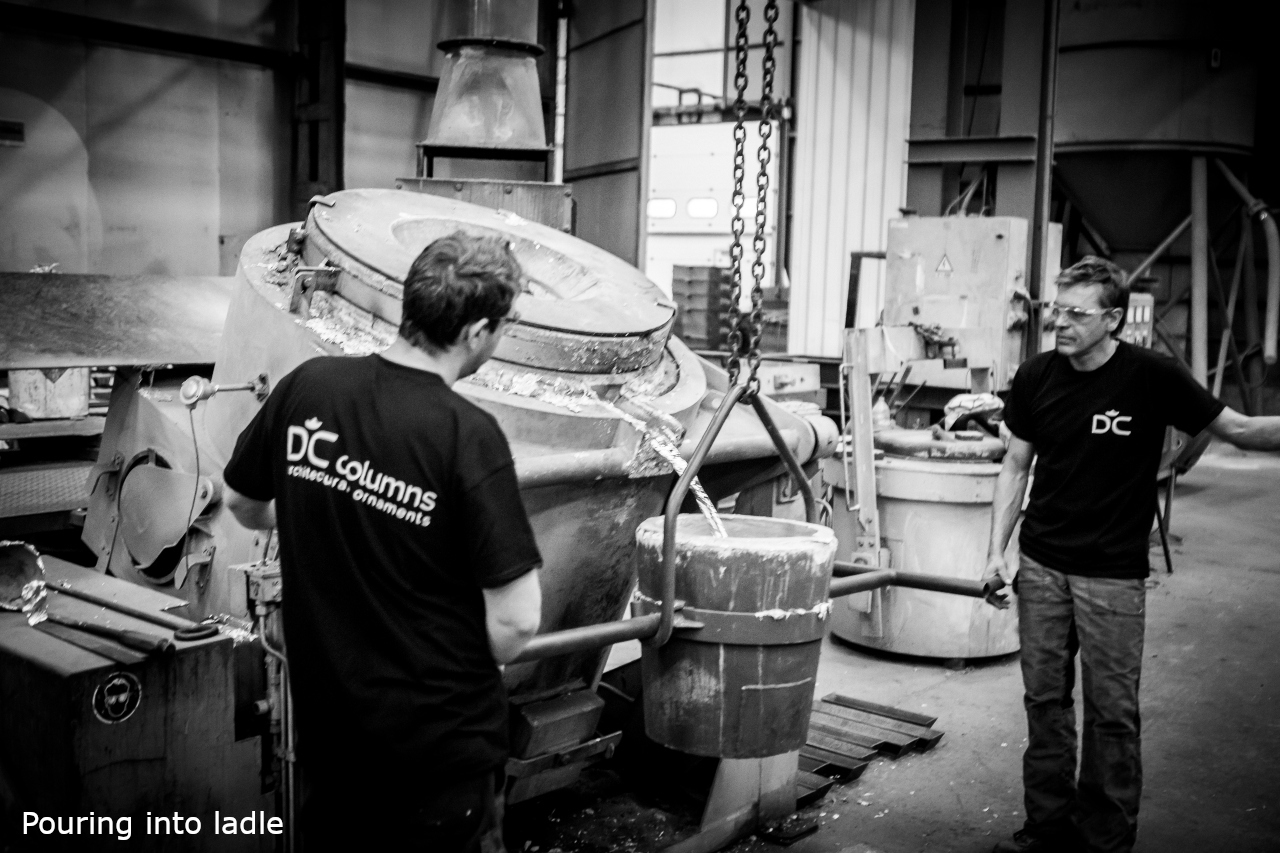
Thanks to our own aluminum sand foundry can we create custom work.
Would you like to have your own design realized?
Contact us and see what we can do for you!


Aluminum casting and our assortment of cast columns and pillars.

The four most used processes for the casting of aluminun are: sand casting, die casting (gravity or pressure) and lost wax casting.

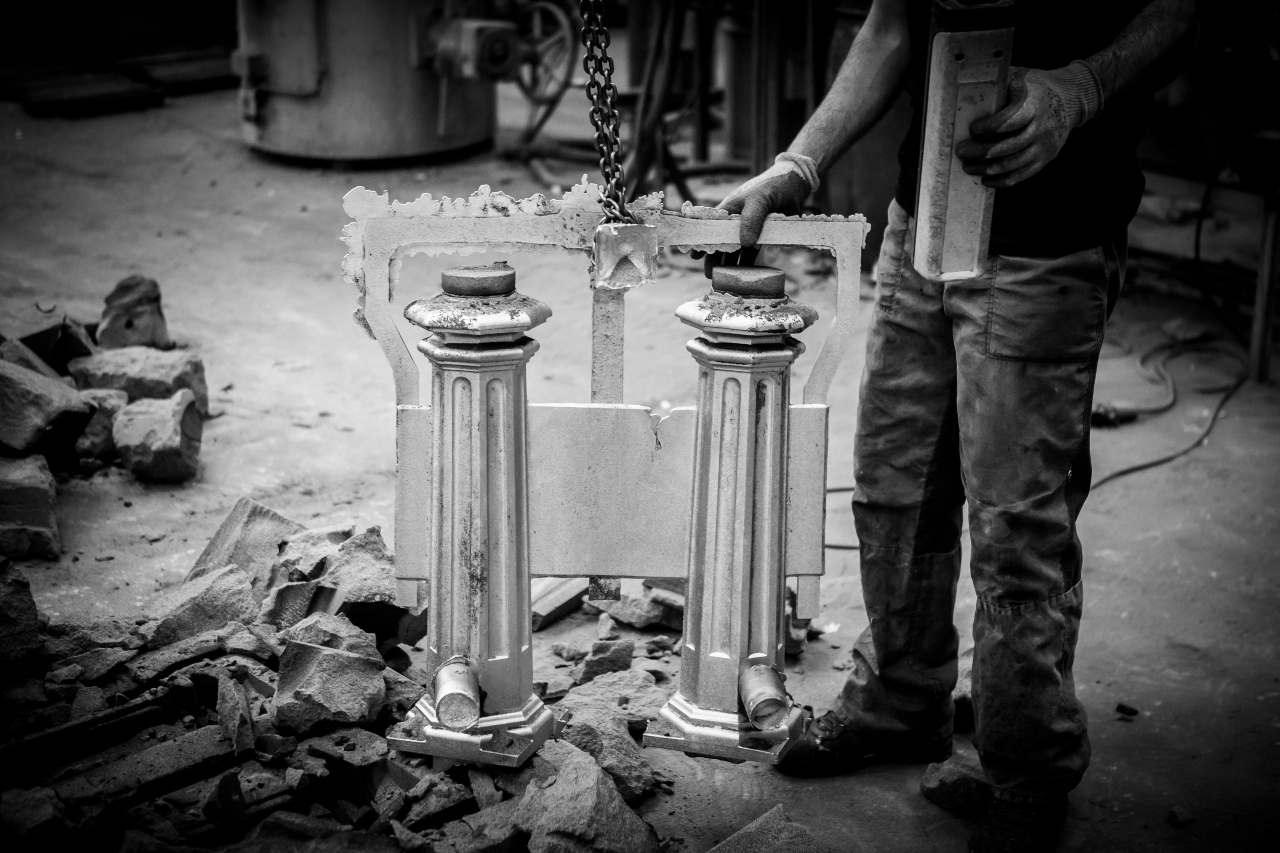
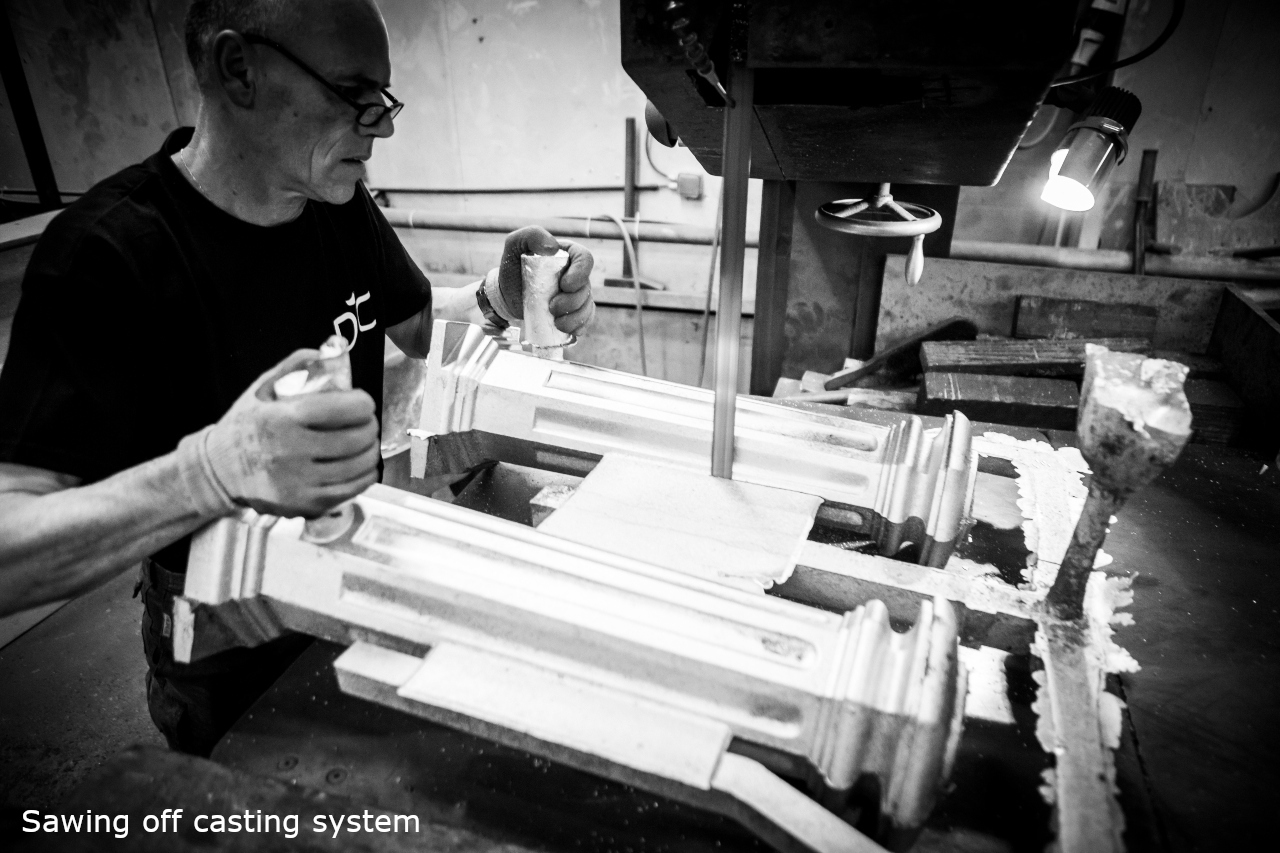
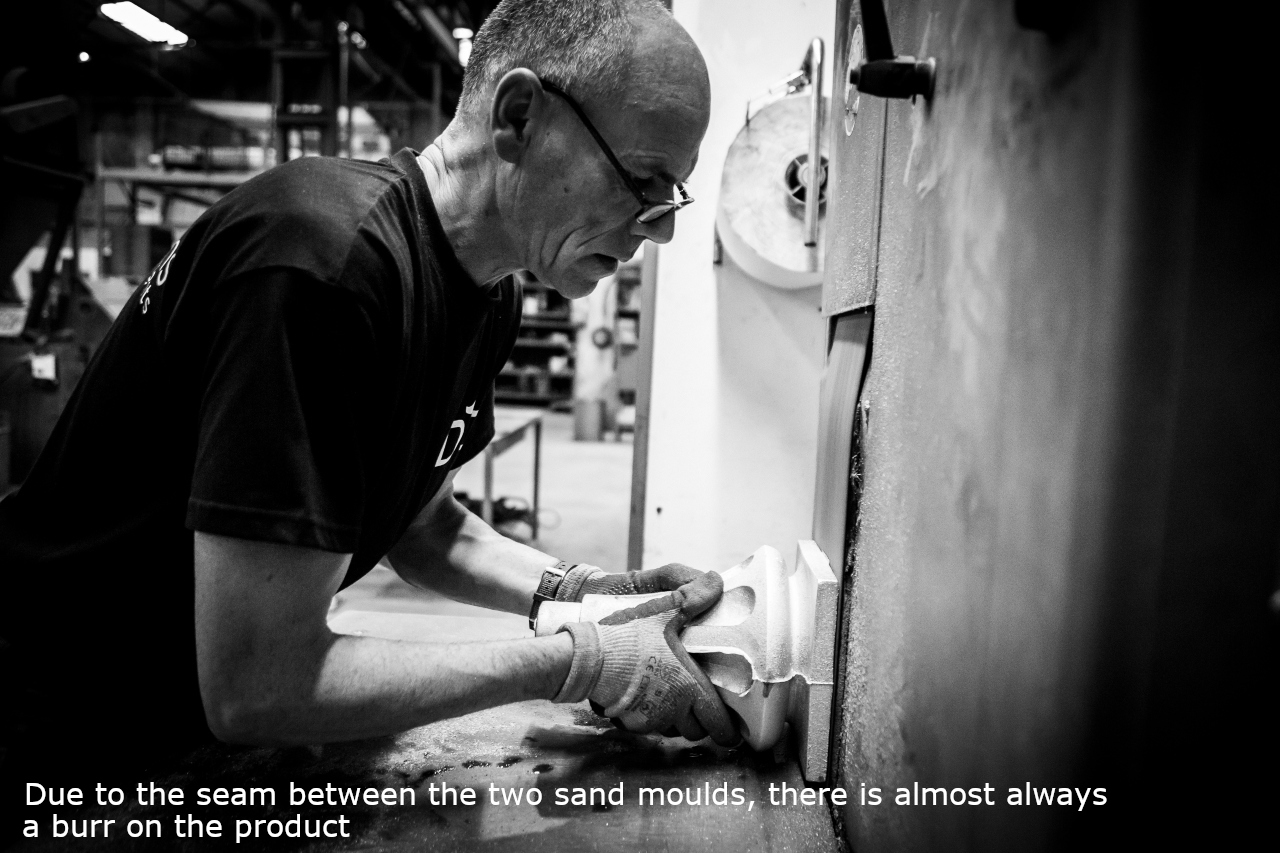
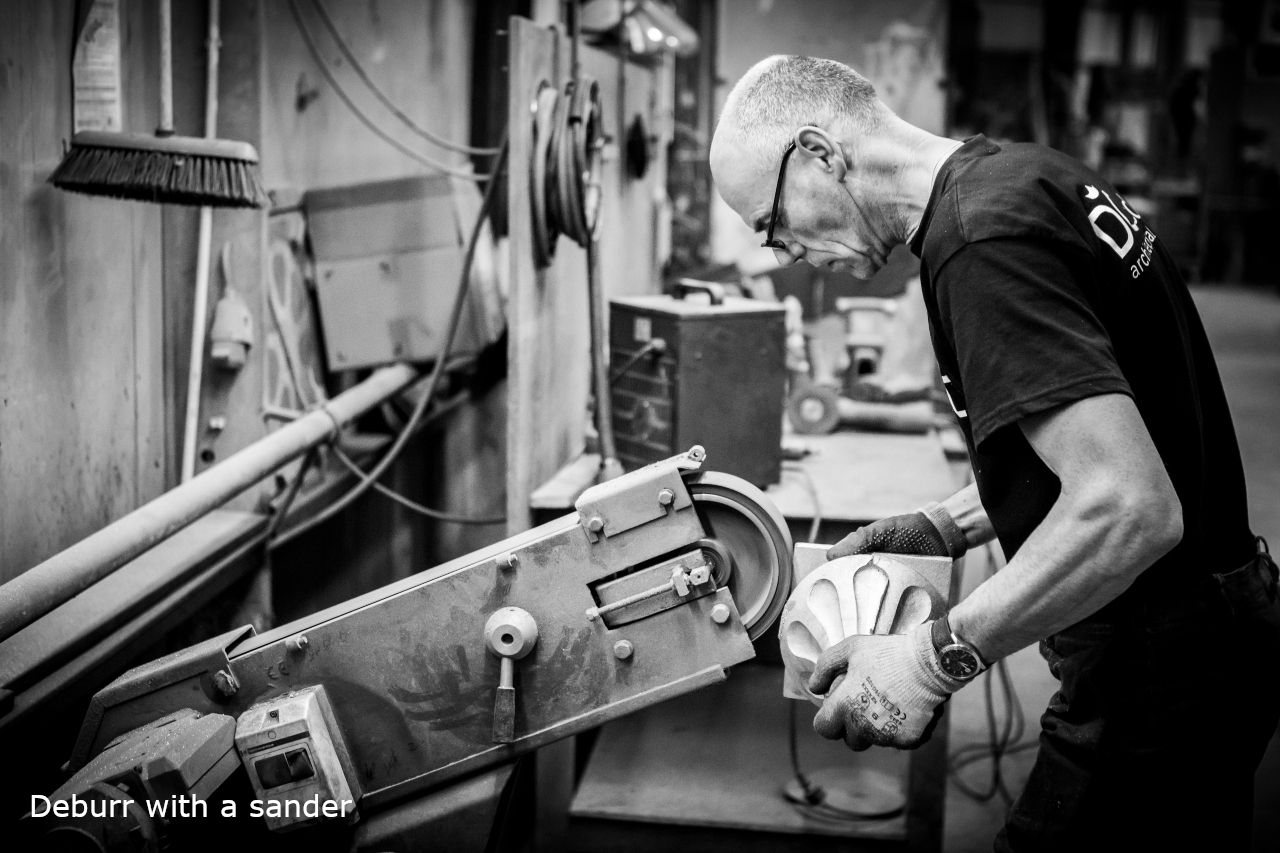
We are specialised in sand casting, since we desire to be as flexible as possible so as to provide the best possible service to our customers. It is also the best process for the production of our system of cast decorative, architectural and structural columns for conservatories, gazebos, verandas, patios as well as for interior decoration or renovation purposes.. We use it for the manufacture of the capitals, the bases and the decorative rings, whilst the shafts are extruded. Our columns are much lighter than columns in cast iron.

Cast aluminium is a much better material for producing decorative columns inspired from traditional elegance than cast iron or cast steel, since it is lighter and thus easier to manipumale and to install; it is nearly as load-bearing as cast iron.

The main advantages of sand casting are:

  • Swiftness and reasonable cost for the setting-up
  • Excellent precision/cost ratio
  • Products are easily adapted if necessary
  • A perfect process for small to medium-sized quantities
  • A perfect process for prototyping
  • A perfect process for the production of our proprietary system of bespoke columns

But it is a relatively expensive process since it implies a high degree of highly skilled manpower. This explains partly the price of our elements for columns: it is a high-end product. It is made in Belgium, and it is belgian quality.

When it goes about large quantities, we subcontract the work to one of our partners specialized in die-casting. 

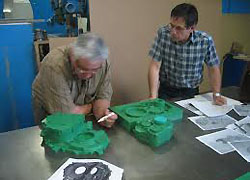
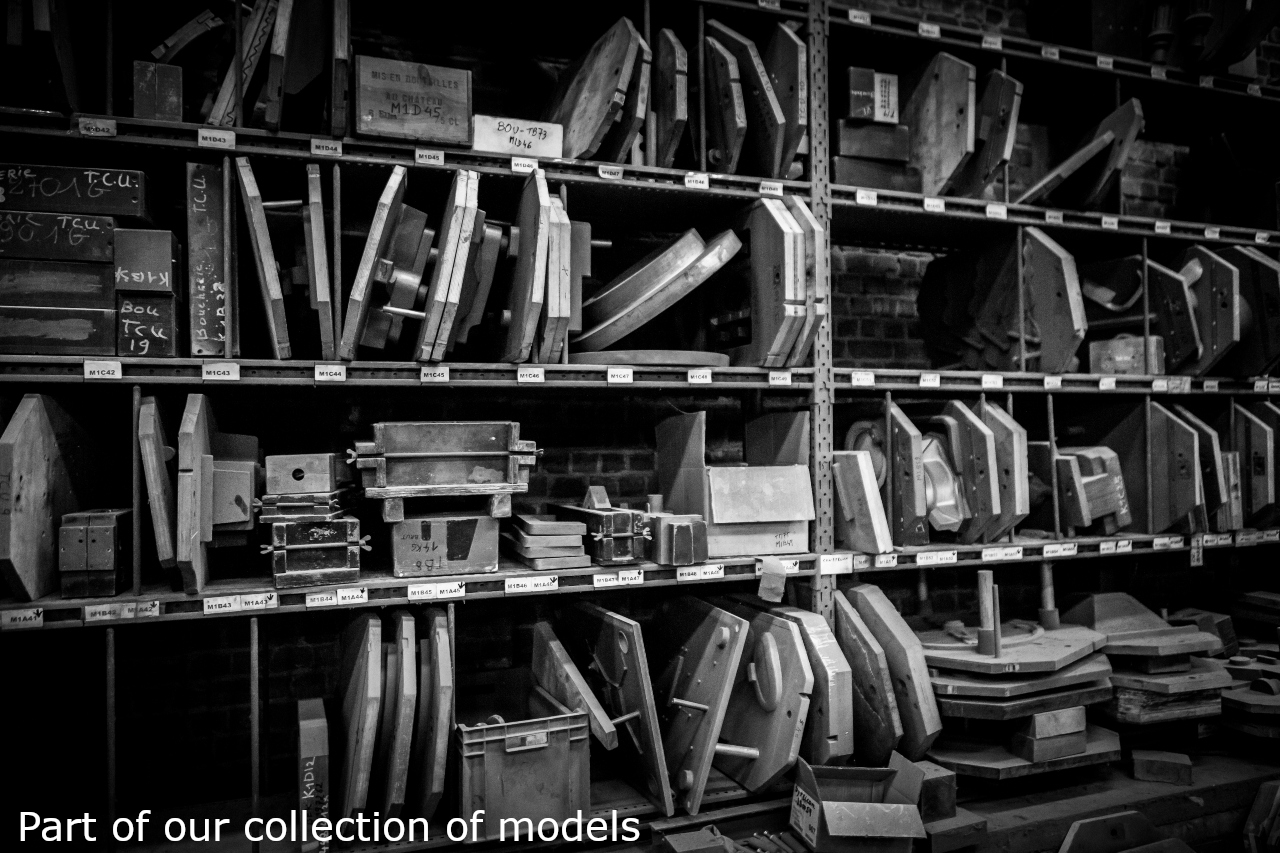
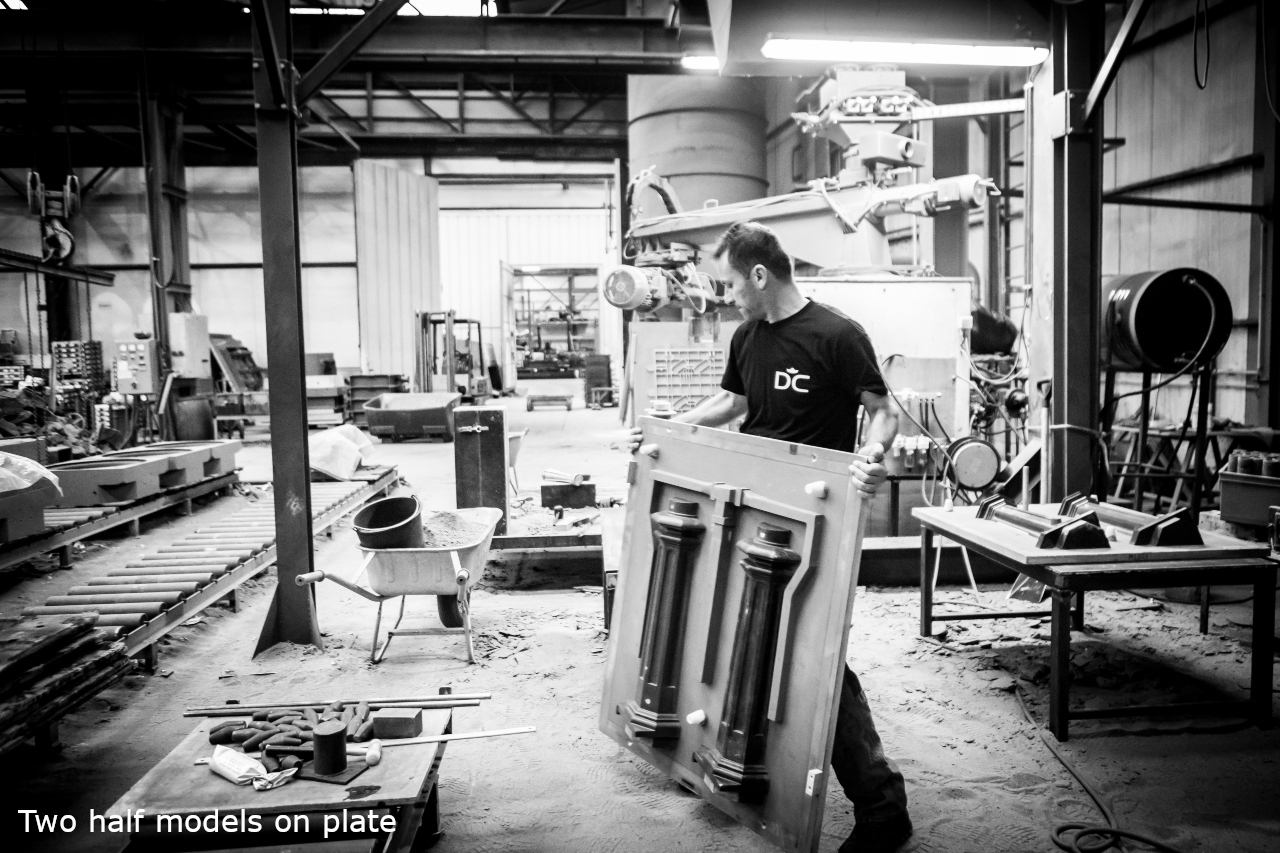
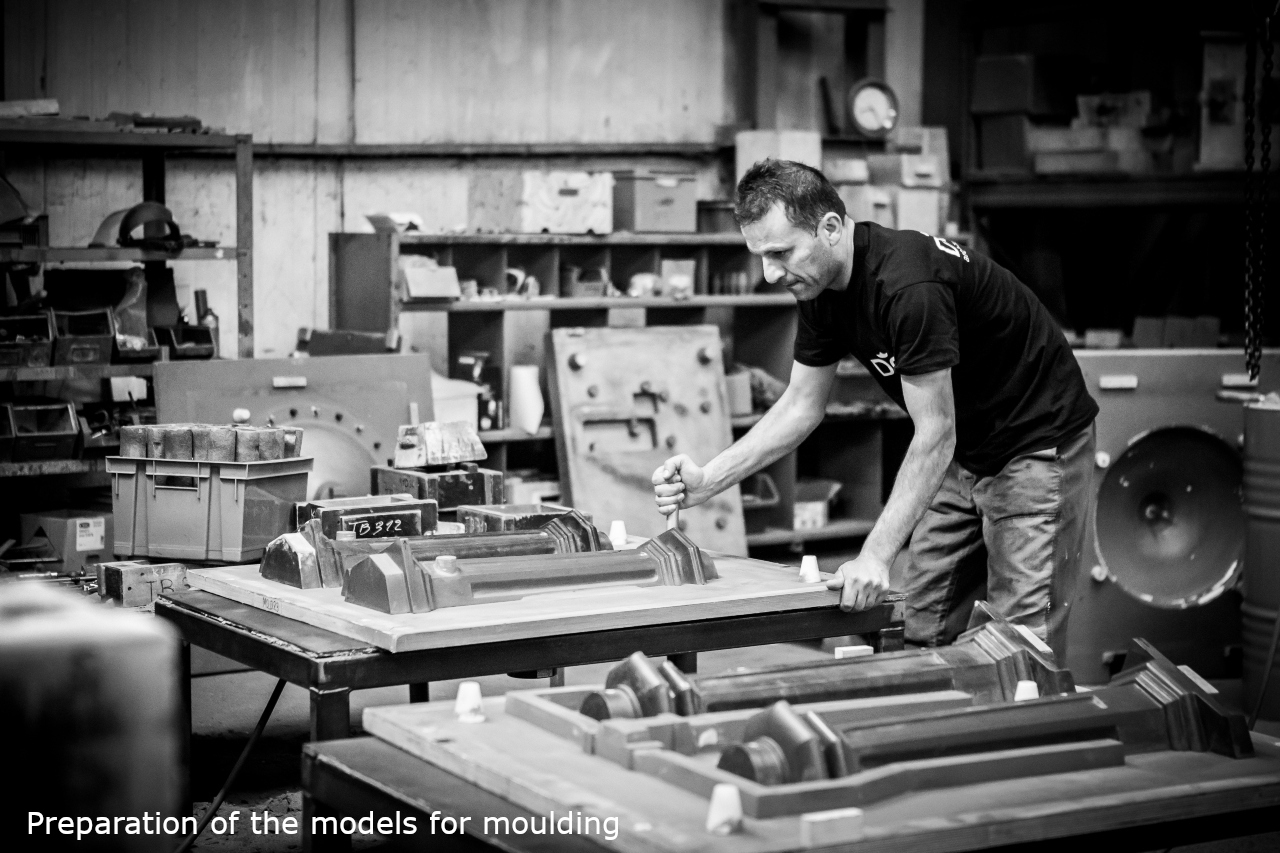
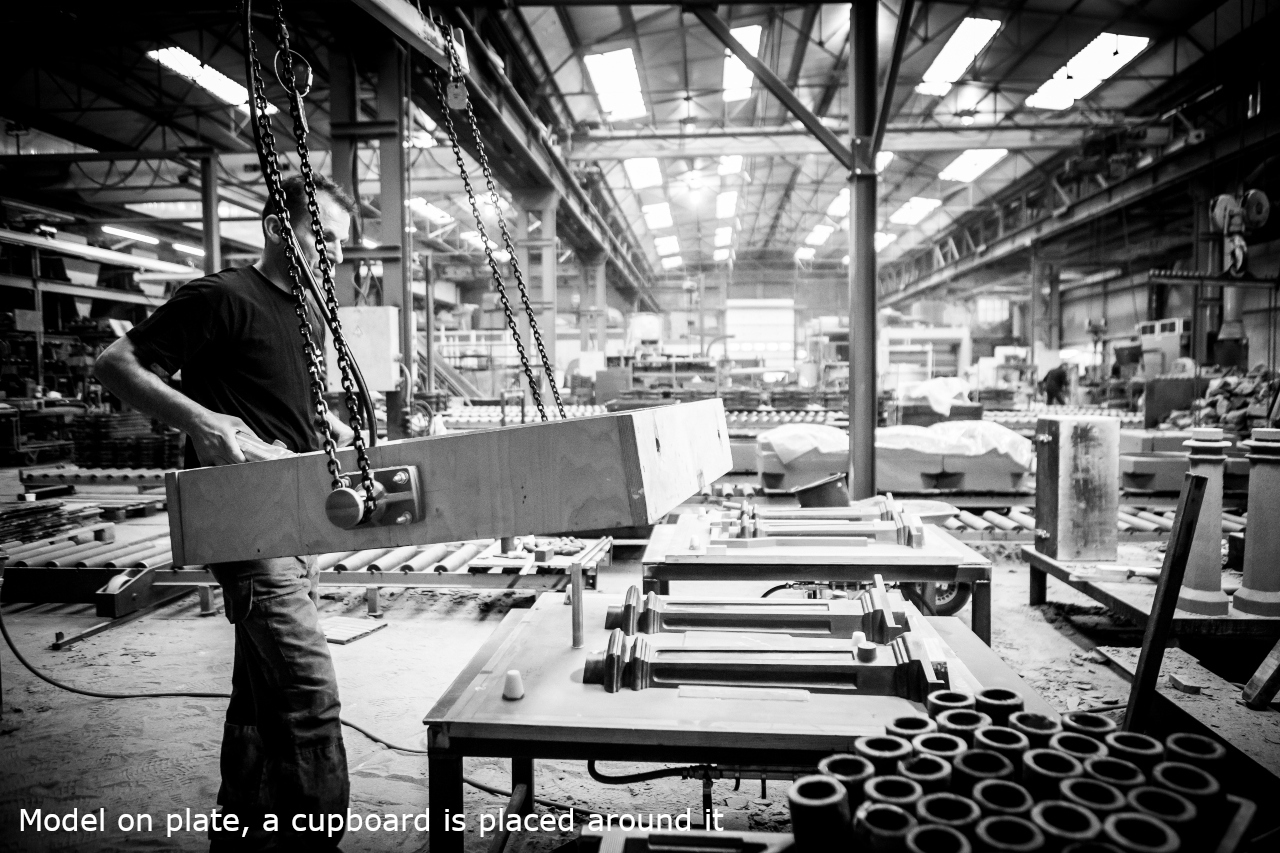
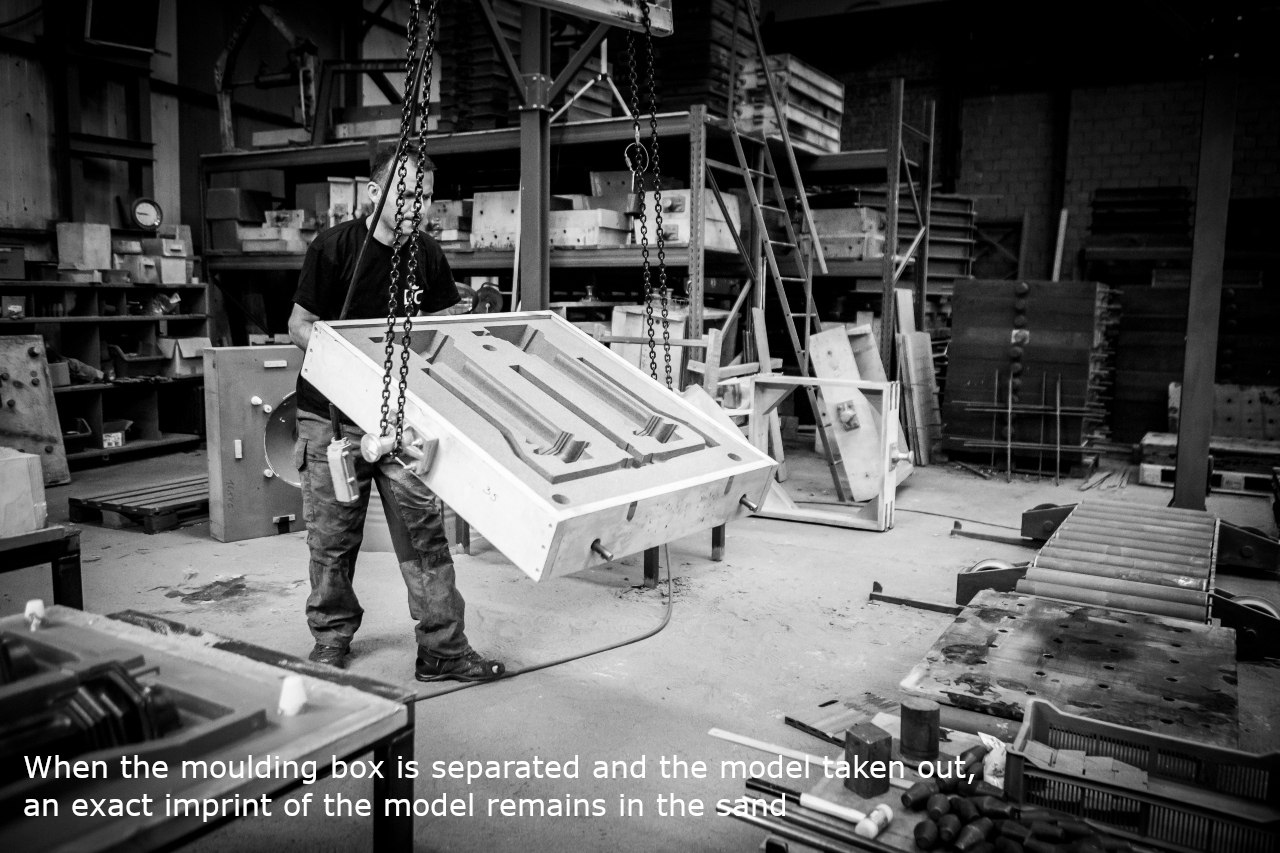
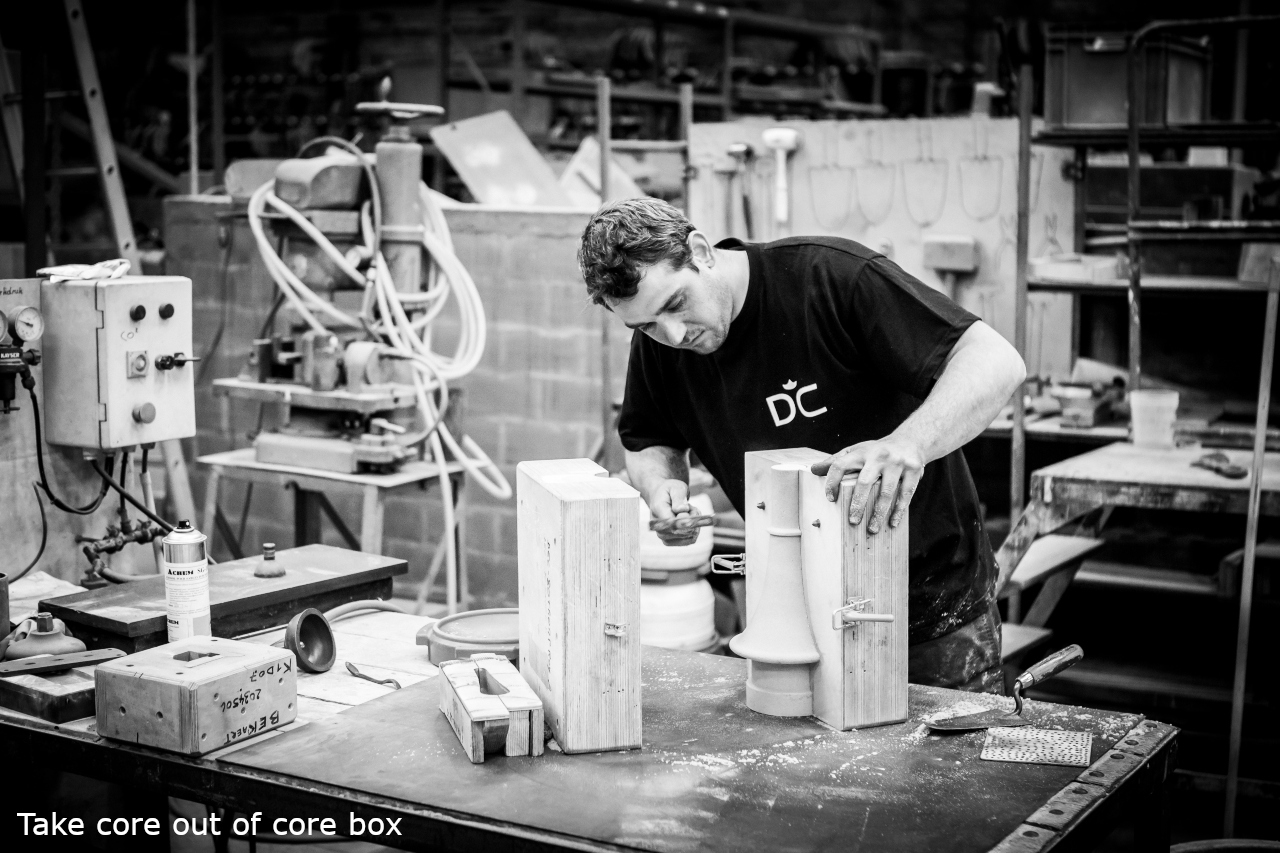
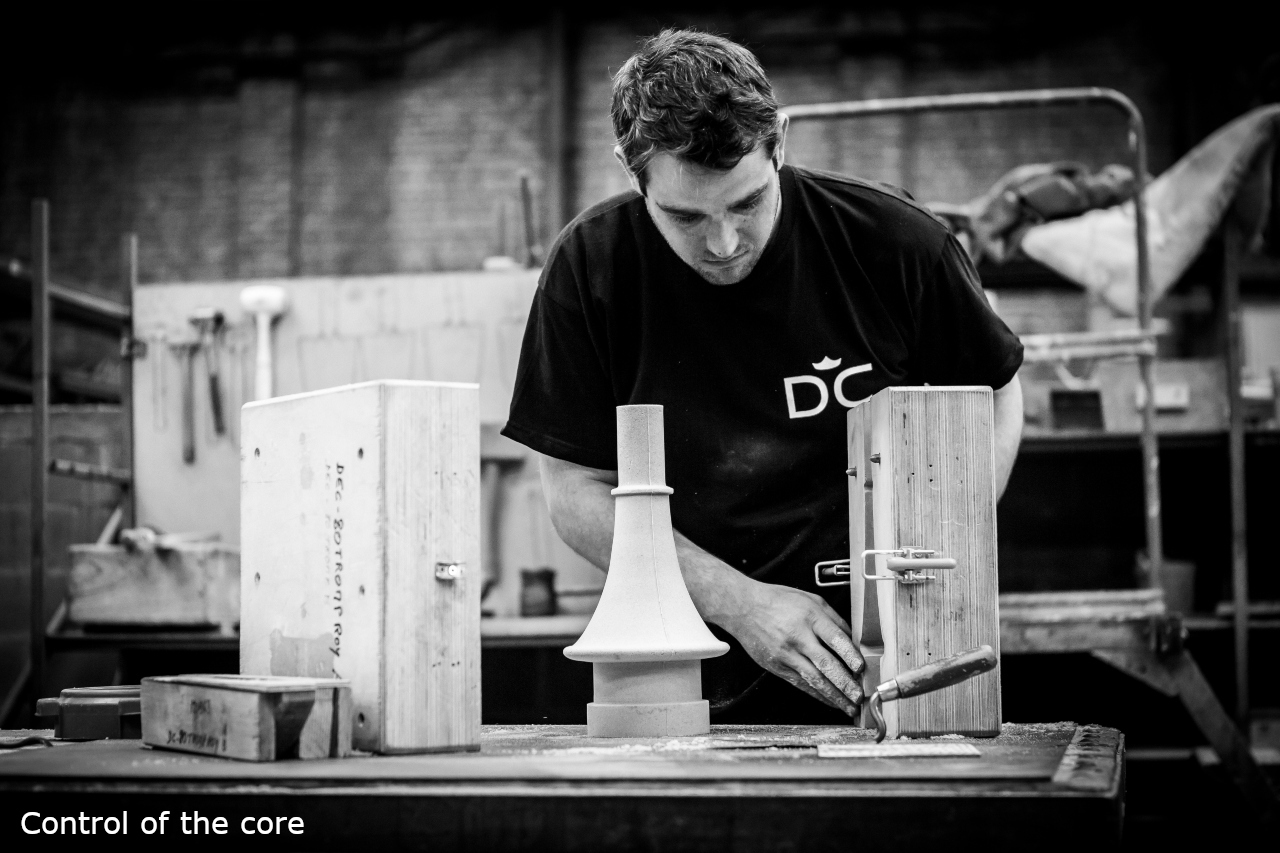
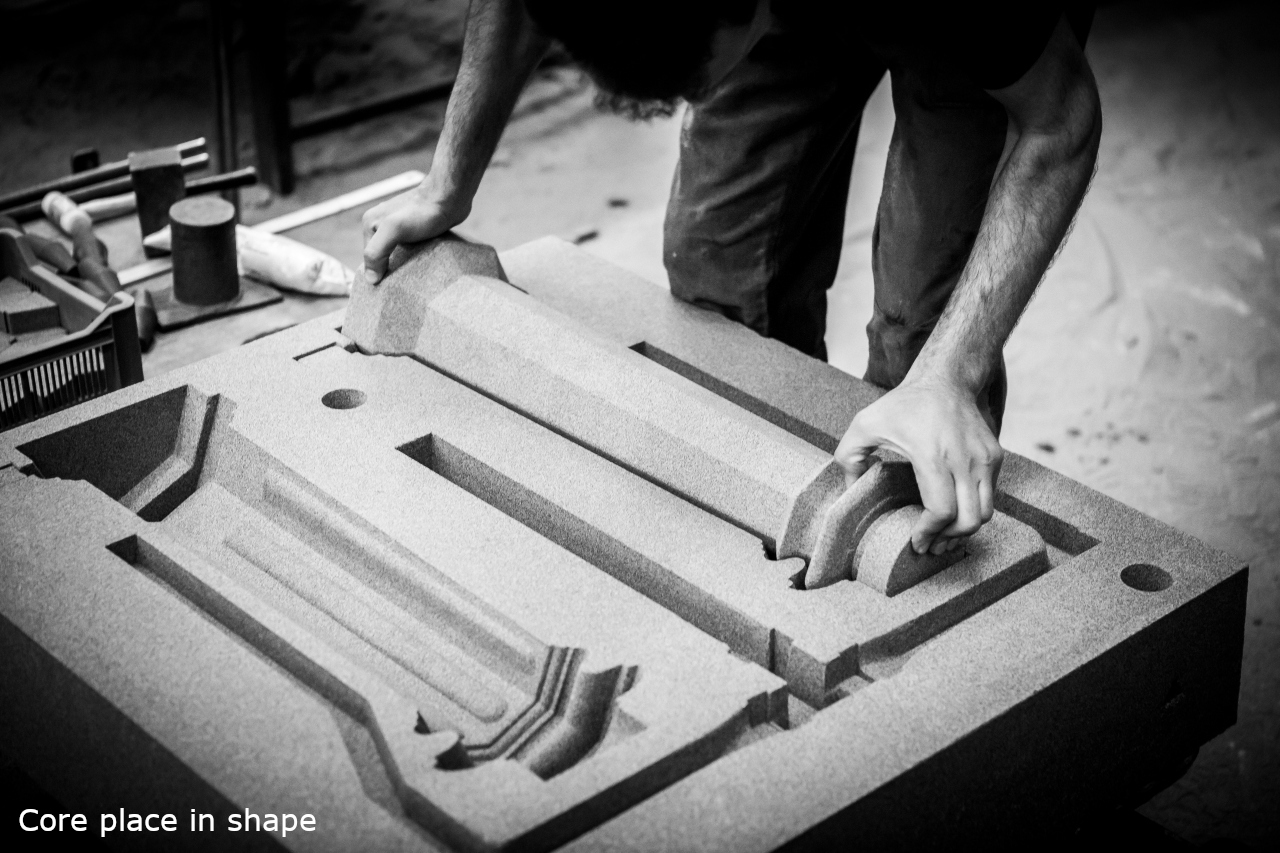
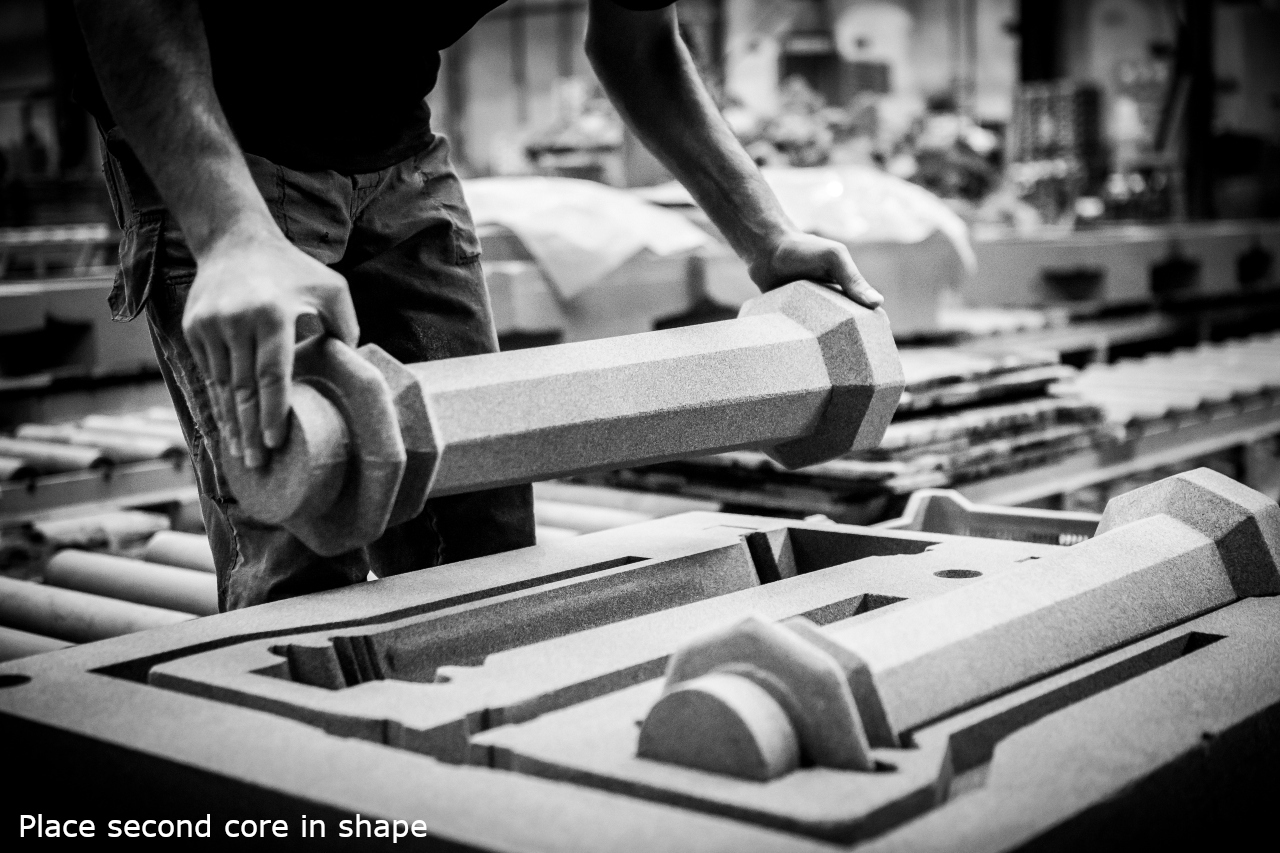
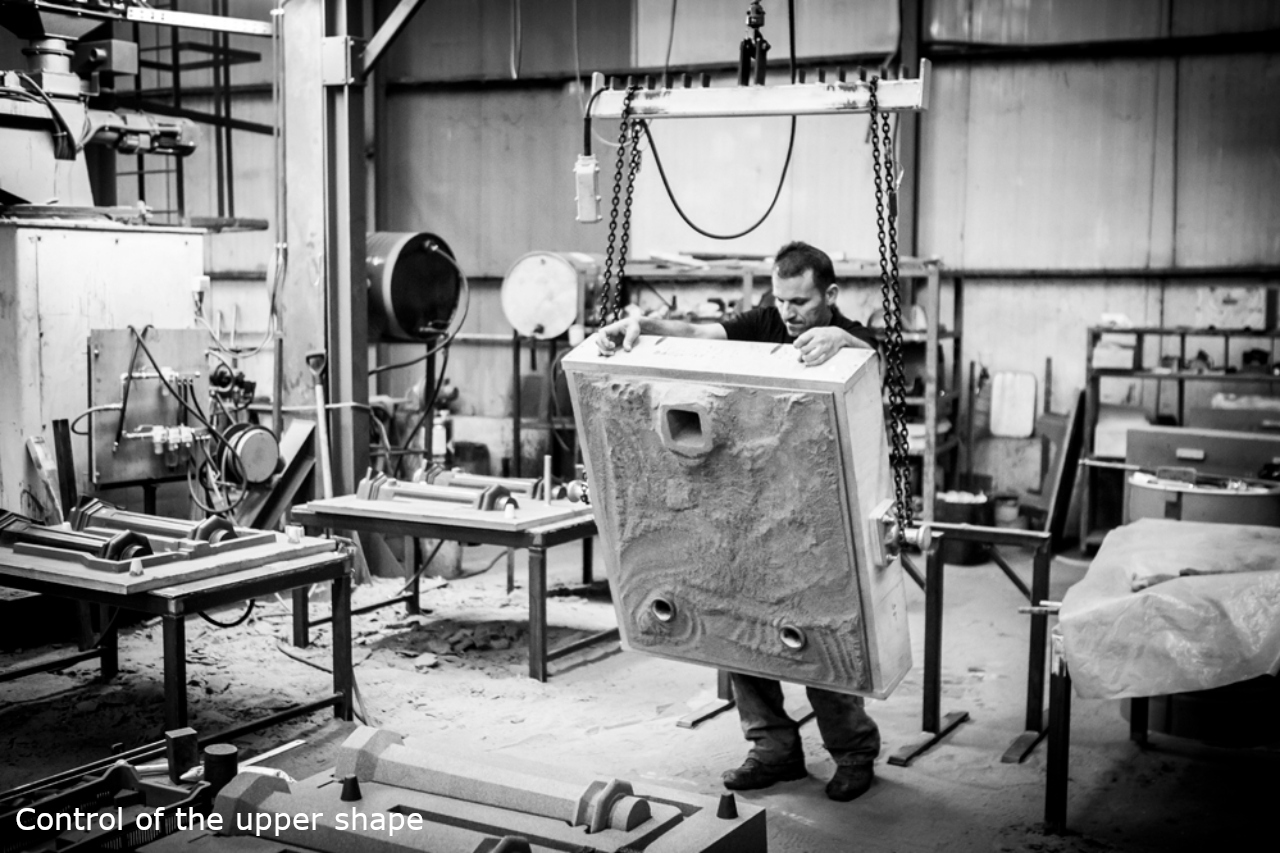
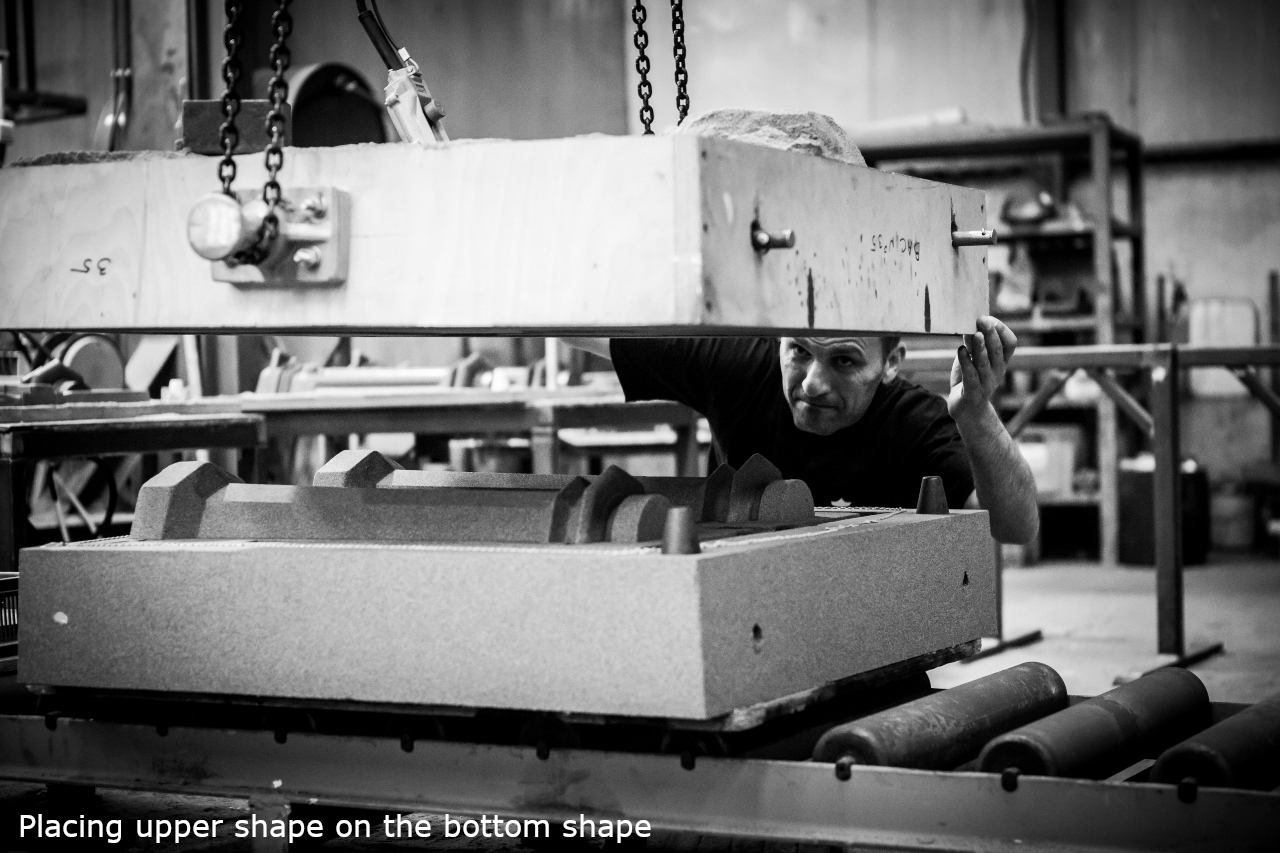
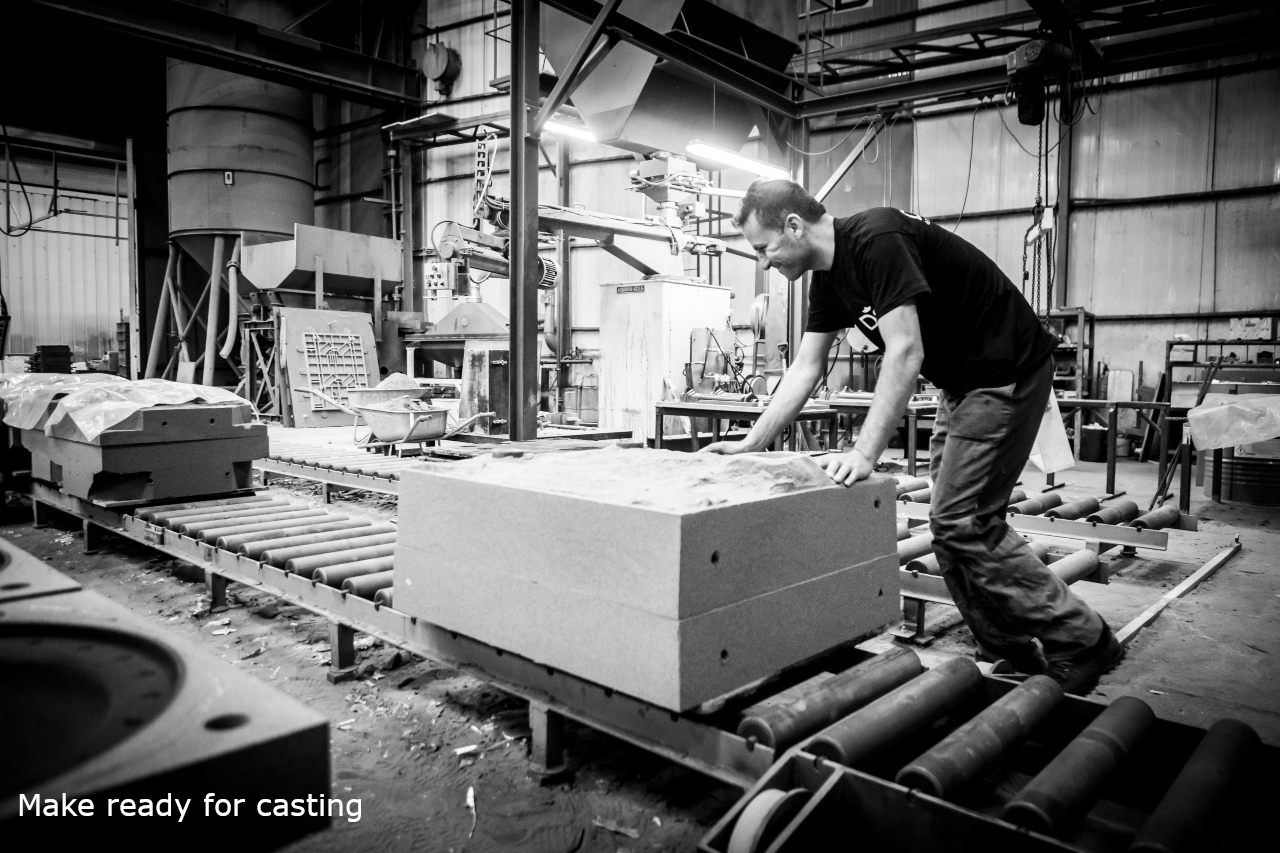
The development of the models and of the moulds for our capitals, bases and decorative rings used for the assembly of our columns..

This crucial phase will often imply a close cooperation with the client. 

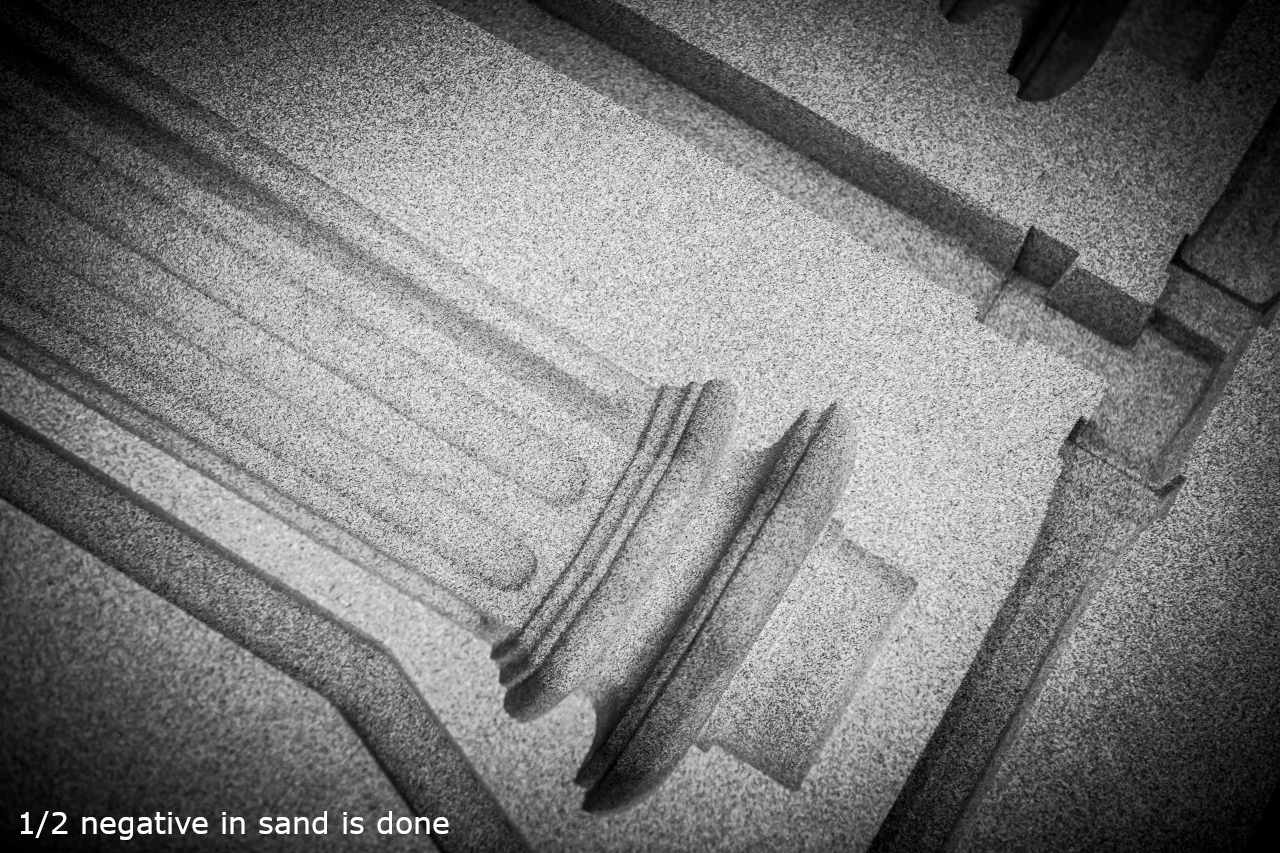
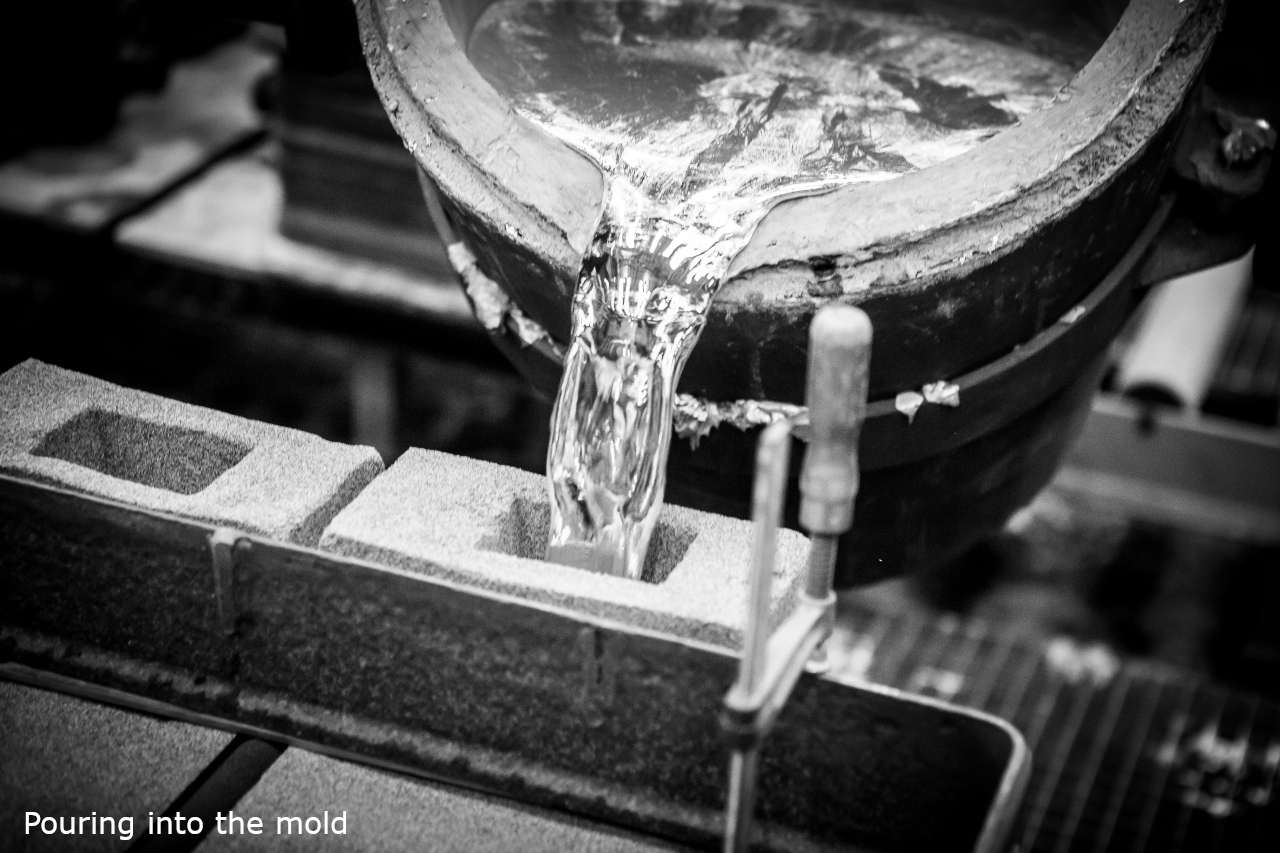
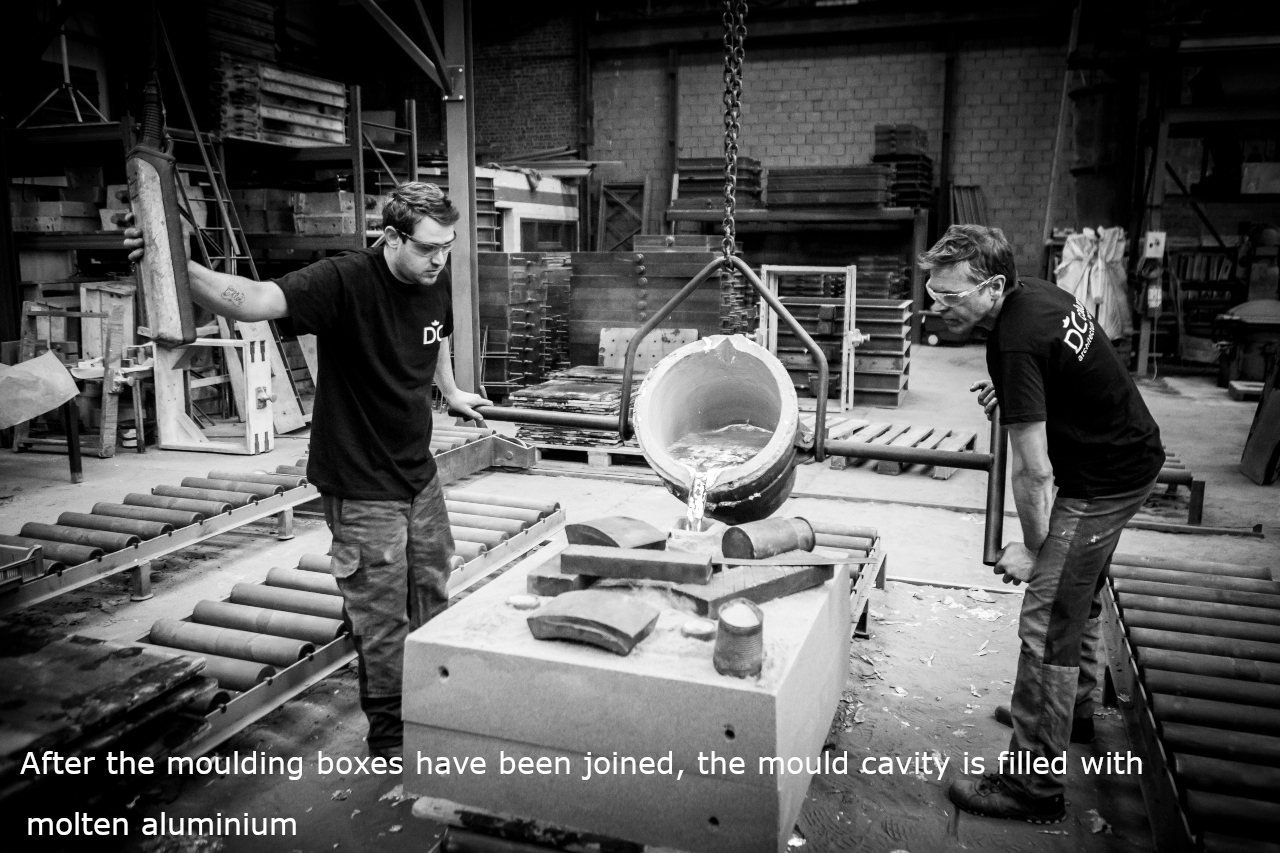
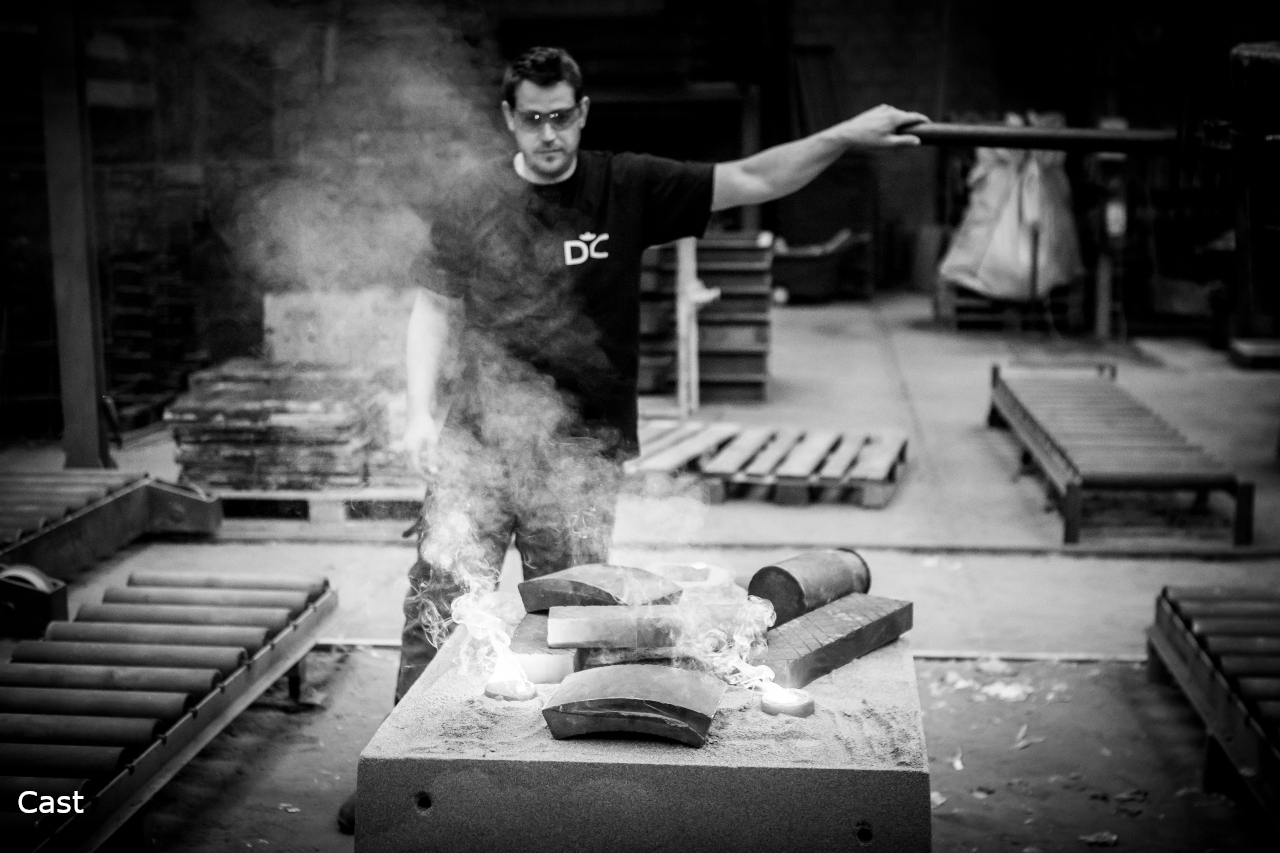
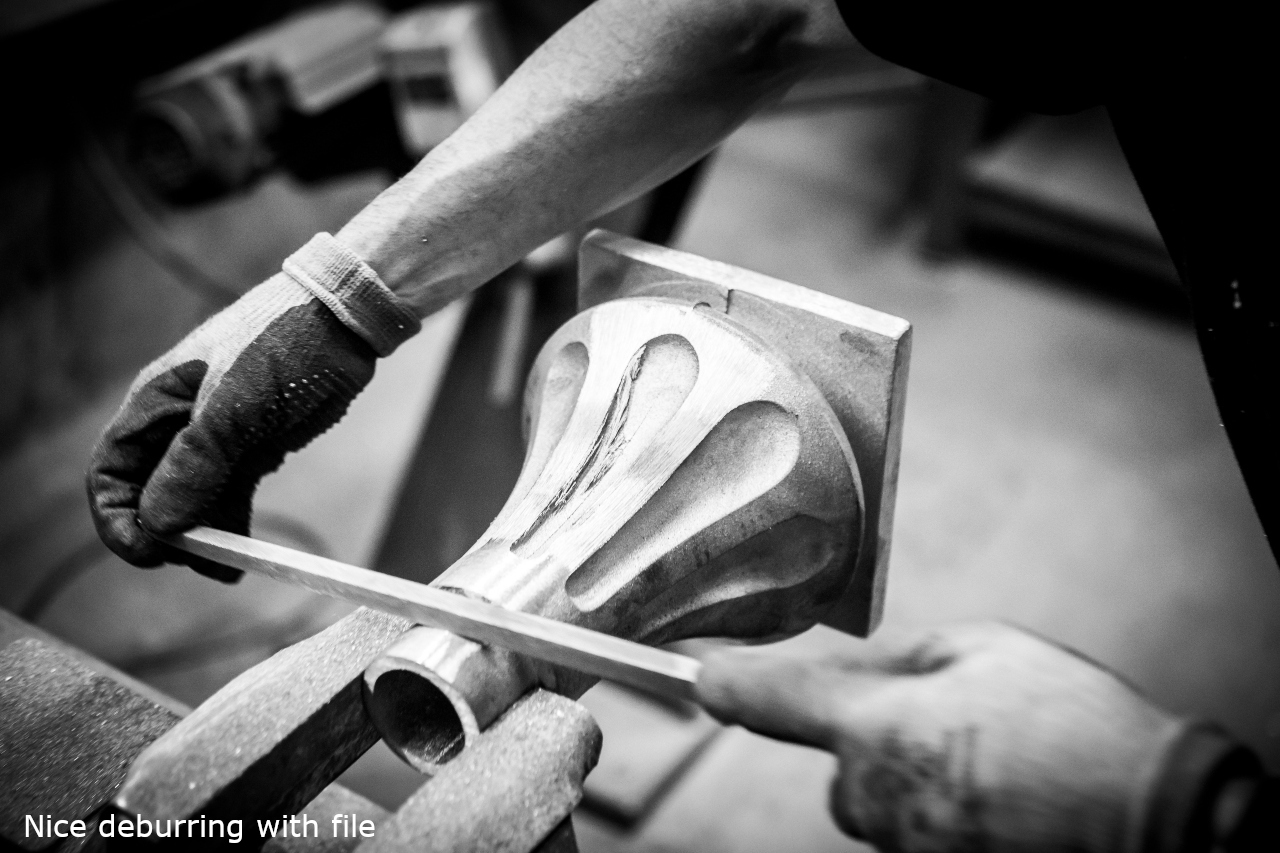
This phase is really important because it is upon the way the aluminium flows into the mould until it is completely filled that will depend the mechanical properties of the part, and the amount of work necessary for its machine finishing. One has to take into account: the retraction of the liquid aluminium alloy during its cooling phase (approximately 1.5% in volume), the differences of temperature between various zones of the part, the de-moulding process...

As a matter of fact, one speaks here about fluid dynamics. Casters do that since ages without even knowing it.

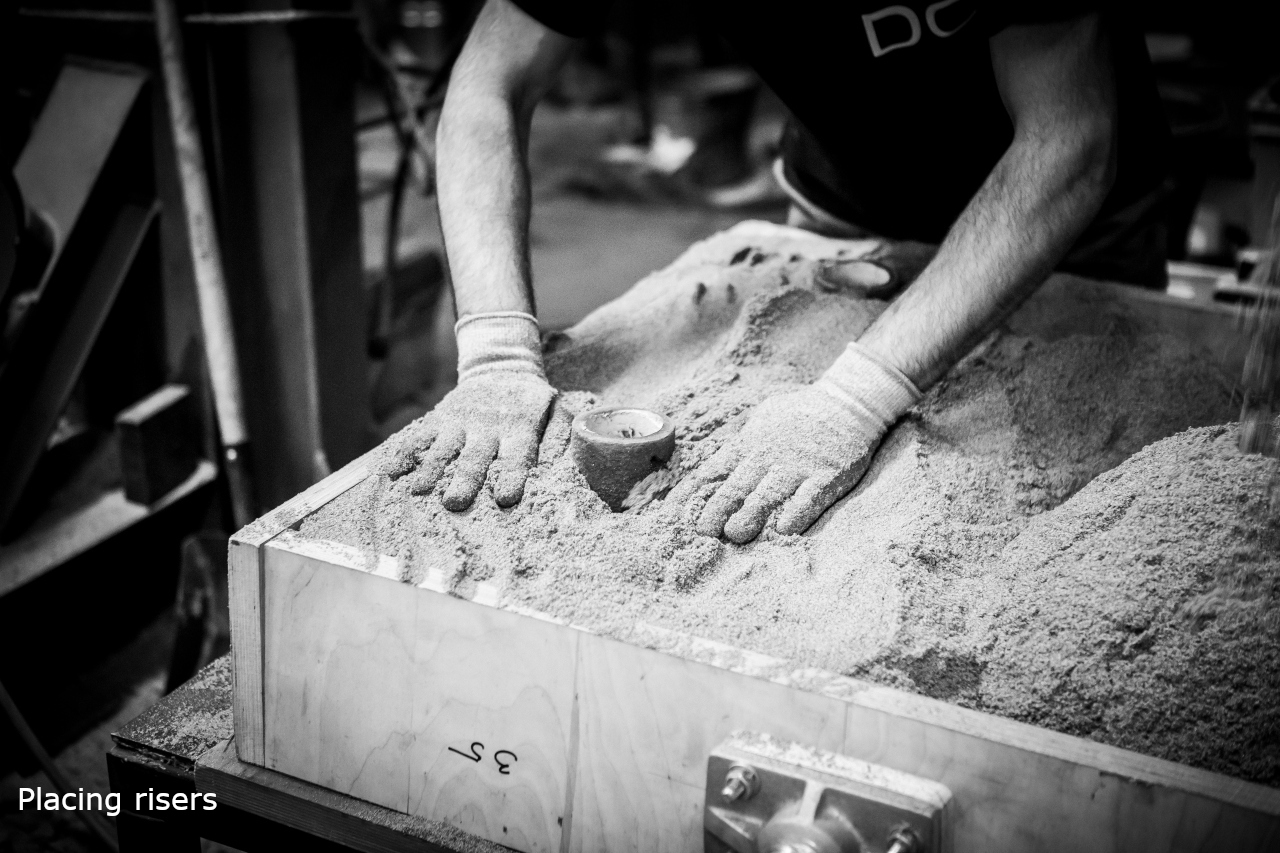
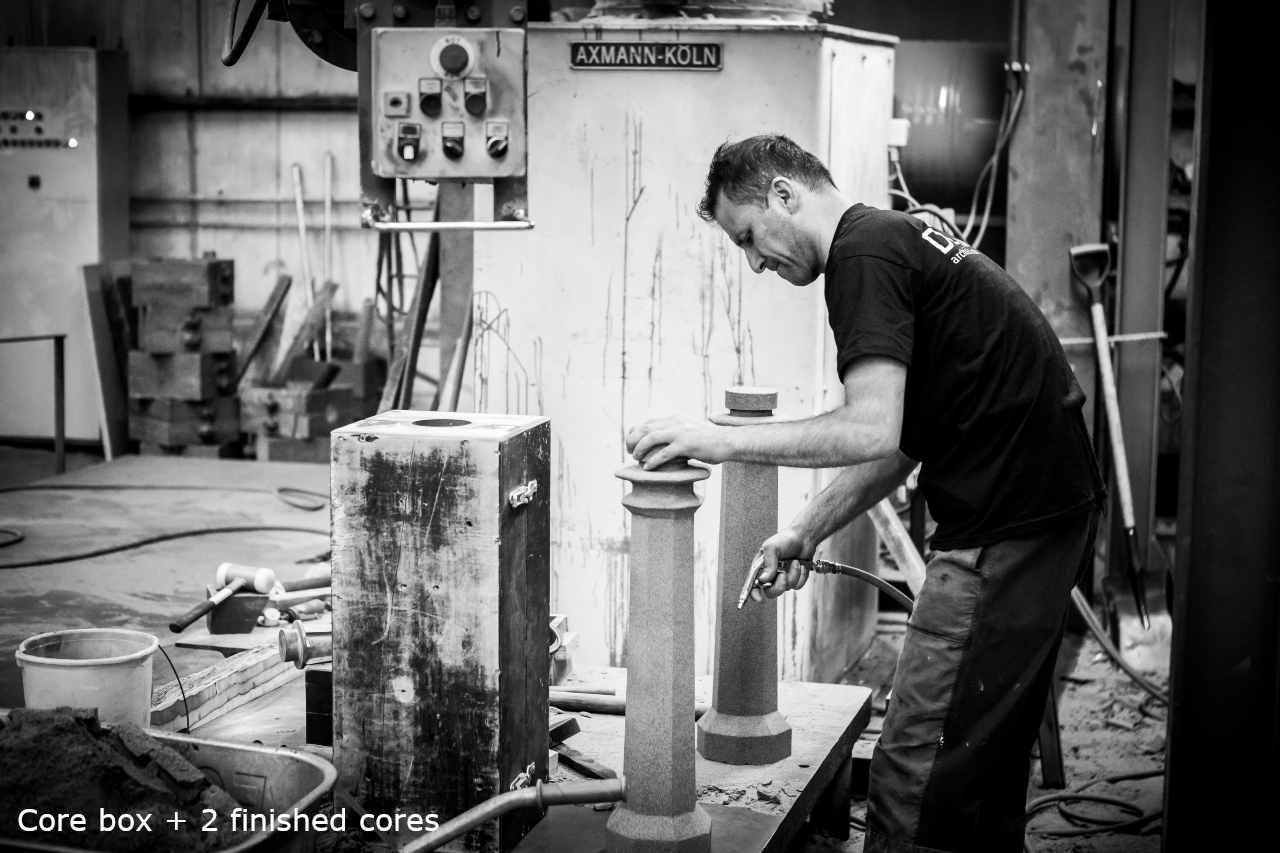
One will have to determine where to locate the "dozzles" (reserves of liquid metal, that will fill the gaps left by the retraction), the cores and the core manufacturing tools...

Good software exist for the development of the moulds, the cores and the casting conduits. But professionals are unanimous to say that there is nothing like experience acquired through years of practice. The best is obviously to have both: experience, and mastering the software or other hi-tech tools. At Aludeclercq.be, we have more than 50 years of experience in the casting of aluminum alloys, and a good knowledge of the relevant software and other "state of the art" tools.

The moulds for sand casting

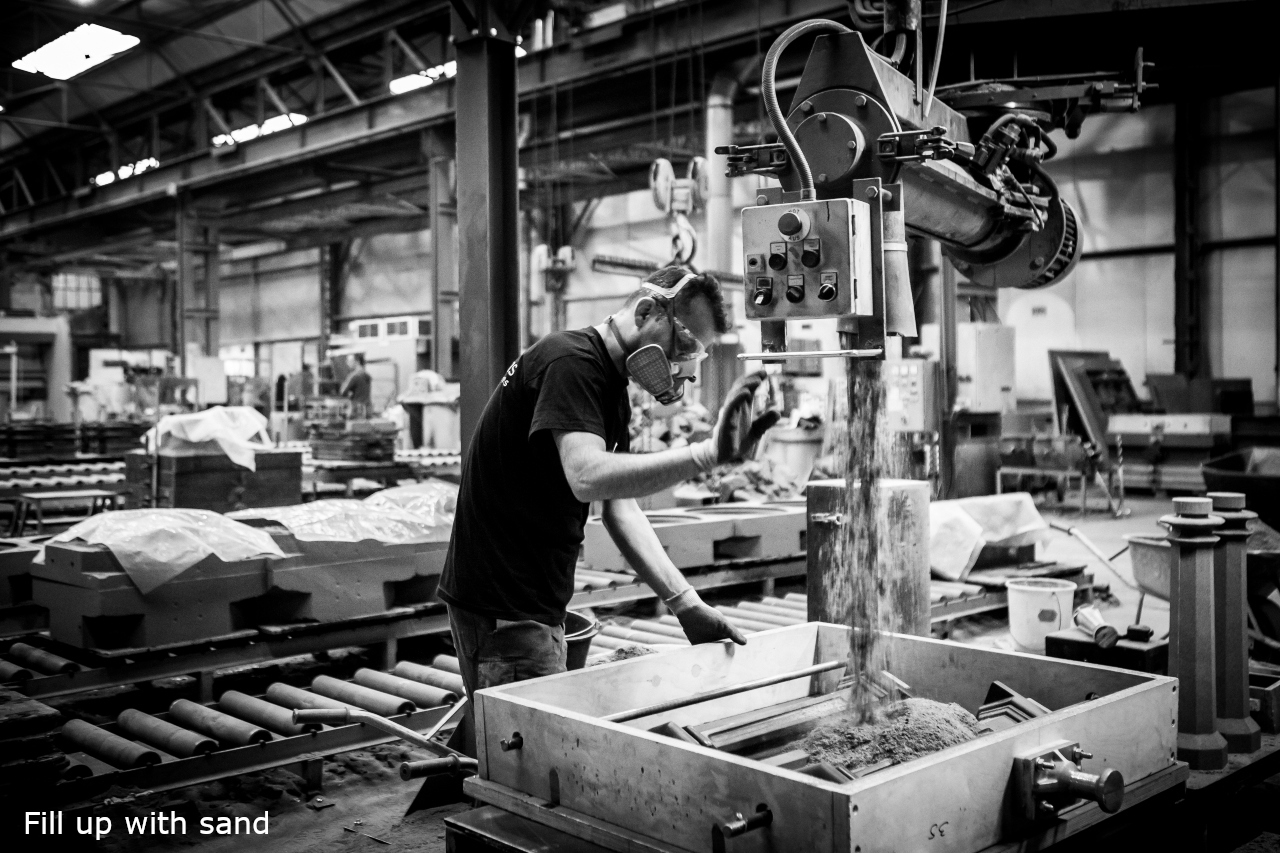
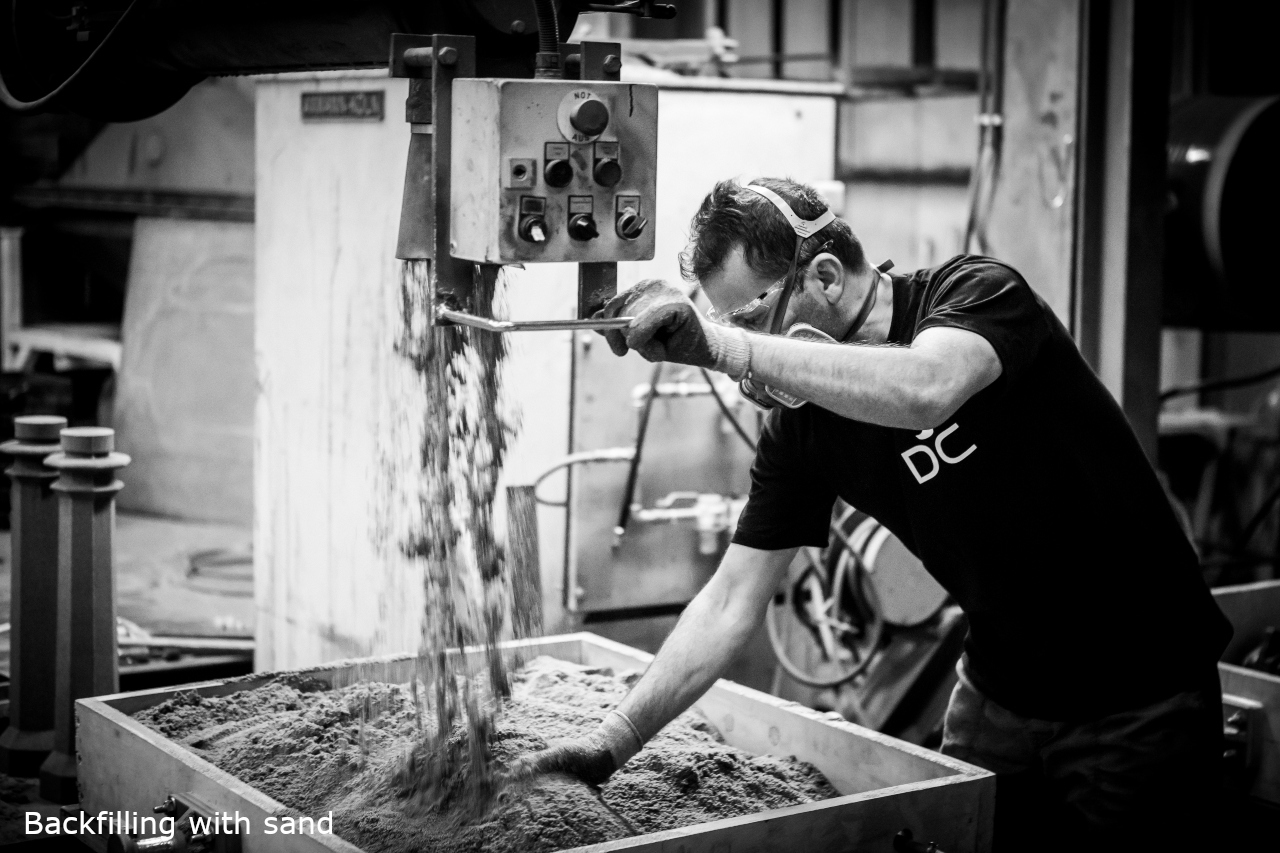
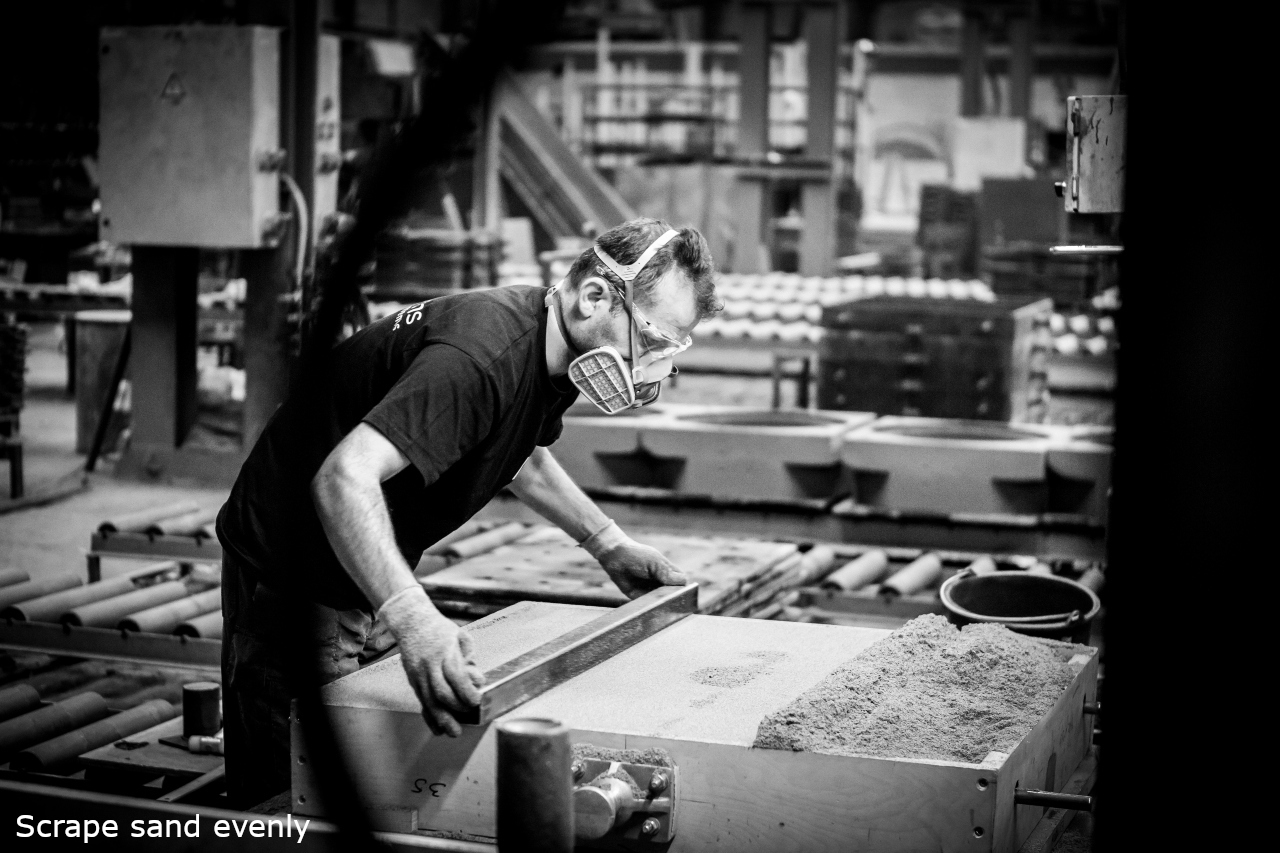
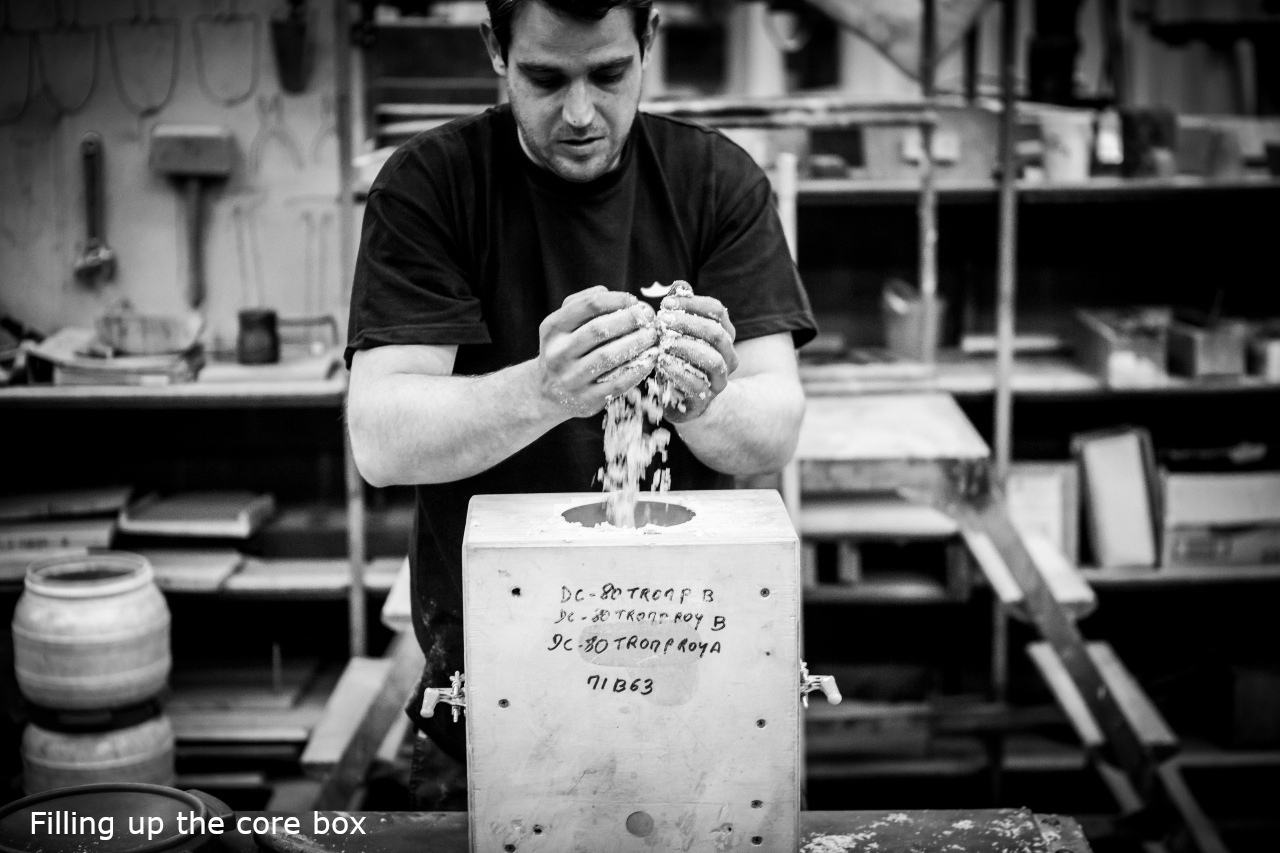
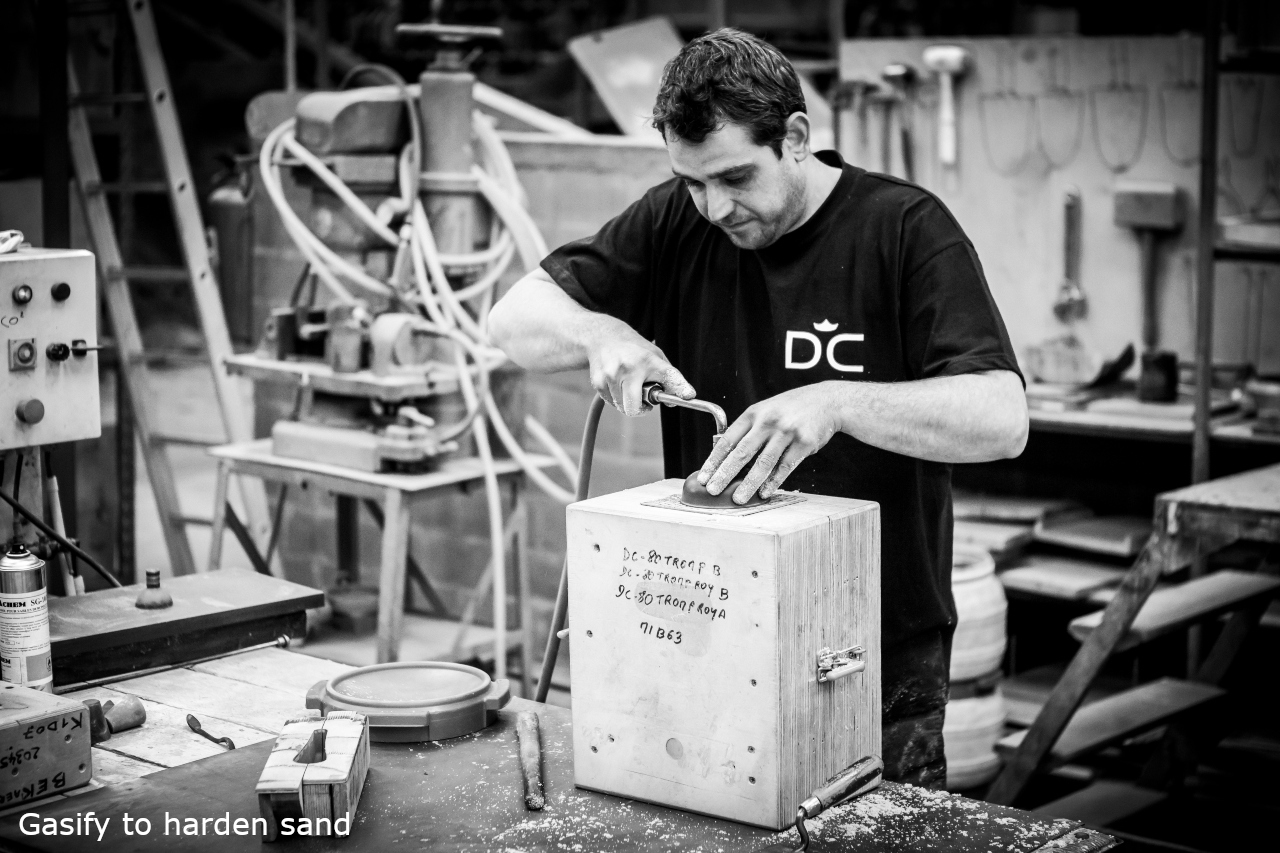
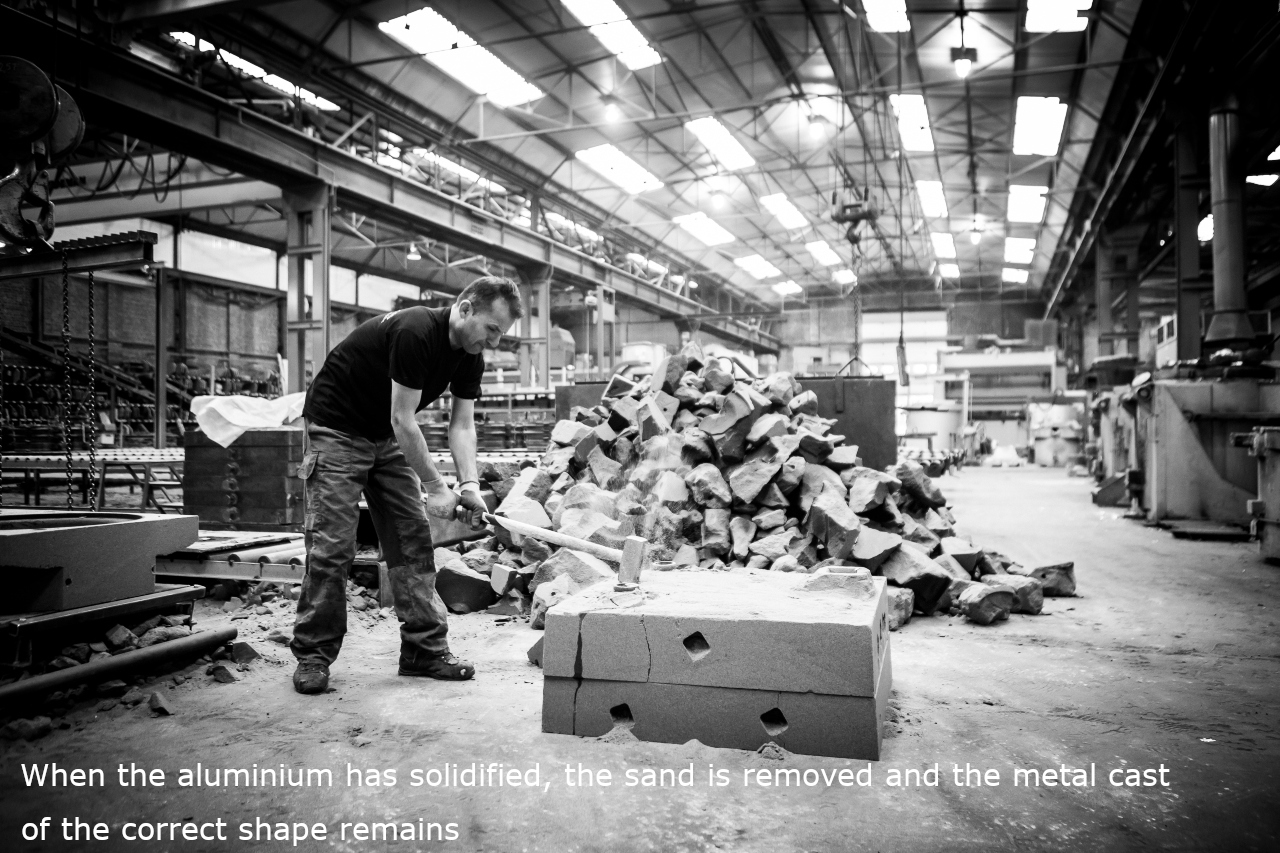
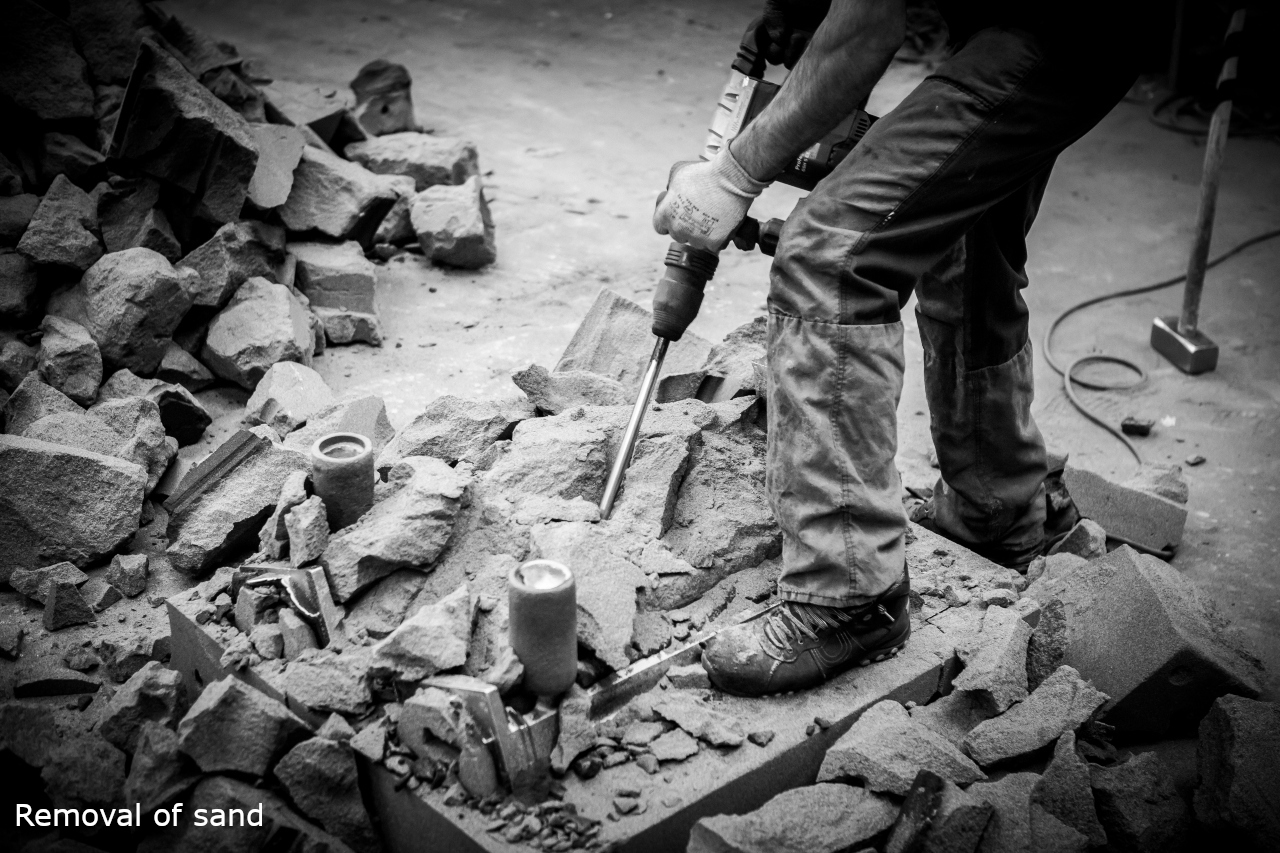
Everyone knows that building a sand castle with dry sand does not work well. Something has to be added to the sand, on the beach as well as in a foundry. We work with moulds that are made either in "green sand" (sand + water + clay) or in "chemical sand" (sand + resins + hardener). Both are easily recycled and re-used, without any risk for the environment.

The aluminium alloys

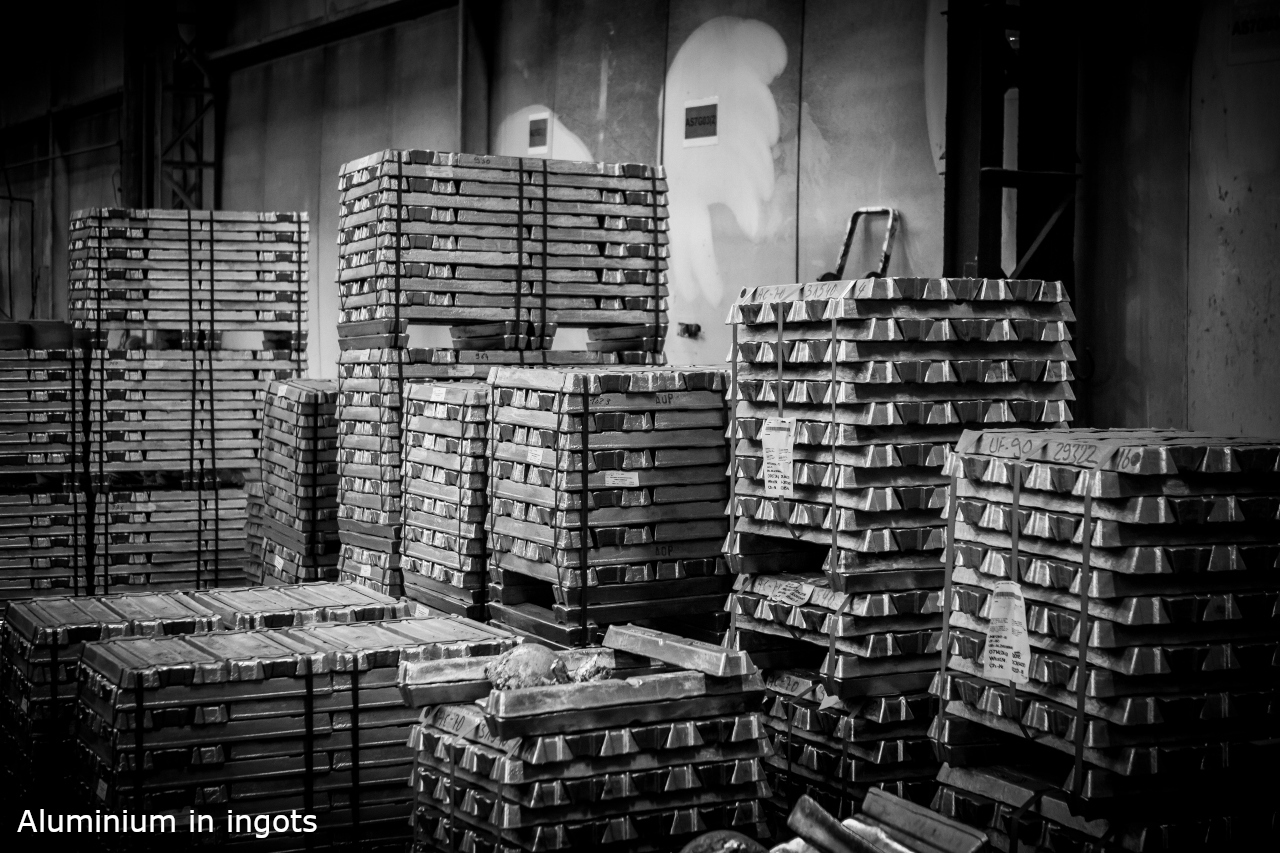
Many alloys exist, with various properties. These alloys were developed in function of the characteristics required for the casted parts, and in function of their usages. Aluminium is almost never used in its pure form. Alluminum is mixed with silicium, copper, magnesium, titanium, cobalt, etc. The quality of the alloy is measured before the casting, and noted in the "casting report".

In function of the needed characteristics, the casted parts will in some cases be case-hardened (to harden the surface of the part), or case-softened (to release the internal tensions in the metal).

Typical applications for sand casting 

  • prototyping in its broad sense (automotive or aeronautical industries)
  • small or medium-sized series, with high technical requirements (weapons, racing cars parts, high speed railway transportation)
  • art castings, machinery for the food processing or the textile industries, the transportation sector, public lighting, etc.
  • any part of complex shape, submitted to high mechanical strains, such as engine blocks, carters for torque converters, boggies for high-speed trains, landing gears...
  • and: our system of modular, bespoke and and cut to size columns 

In brief, all applications where: lightness, good resistance to dynamical strain, weld-ability, a good thermal conductivity, etc. are required in various mixes, without necessarily looking towards mass-production.

It is not without reason that the engines and gearboxes of nearly all luxury cars are produced through aluminium sand-casting (much lighter than cast iron). See for instance this video on the Ferrari foundry. 

Aluminum casting and our assortment of cast columns and pillars. (2)


Dccolonnes IMG 7728 1280
Dccolonnes IMG 7736 1280
Dccolonnes IMG 7754 1280
Dccolonnes IMG 7781 1280
Dccolonnes IMG 7813 1280
Dccolonnes IMG 7934 1280
Dccolonnes IMG 7863 1280
Dccolonnes IMG 8000 1280
Dccolonnes IMG 8028 1280
Dccolonnes IMG 8043 1280
Dccolonnes IMG 9352 1280
Dccolonnes IMG 9361 1280
Dccolonnes IMG 9378 1280
Dccolonnes IMG 9385 1280
Dccolonnes IMG 8058 1280
Dccolonnes IMG 8078 1280
Dccolonnes IMG 8149 1280
Dccolonnes IMG 8175 1280
Dccolonnes IMG 8209 1280
Dccolonnes IMG 8284 1280
Dccolonnes IMG 8393 Copy 1280
Dccolonnes IMG 8421 1280
Dccolonnes IMG 8659 1280
Dccolonnes IMG 8699 1280
Dccolonnes IMG 8774 1280
Dccolonnes IMG 8833 1280
Dccolonnes IMG 8251 1280
Dccolonnes IMG 8309 1280
Dccolonnes IMG 8332 1280
Dccolonnes IMG 8617 1280
Dccolonnes IMG 8873 1280
Dccolonnes IMG 8930 1280
Dccolonnes IMG 8957 1280
Dccolonnes IMG 9002 1280
Dccolonnes IMG 9124 1280
Dccolonnes IMG 9250 1280
Dccolonnes IMG 9258 1280
Dccolonnes IMG 9323 1280


The four most used processes for the casting of aluminun are:

1. Sand casting

2. Die casting -gravity

3. Die casting - pressure 

4. Lost wax casting

We are specialised in sand casting, since we desire to be as flexible as possible so as to provide the best possible service to our customers. It is also the best process for the production of our system of cast decorative, architectural and structural columns for conservatories, gazebos, verandas, patios as well as for interior decoration or renovation purposes.. We use it for the manufacture of the capitals, the bases and the decorative rings, whilst the shafts are extruded. Our columns are much lighter than columns in cast iron.

Cast aluminium is a much better material for producing decorative columns inspired from traditional elegance than cast iron or cast steel, since it is lighter and thus easier to manipumale and to install; it is nearly as load-bearing as cast iron.

The main advantages of sand casting are:

  • Swiftness and reasonable cost for the setting-up
  • Excellent precision/cost ratio
  • Products are easily adapted if necessary
  • A perfect process for small to medium-sized quantities
  • A perfect process for prototyping
  • A perfect process for the production of our proprietary system of bespoke columns

But it is a relatively expensive process since it implies a high degree of highly skilled manpower. This explains partly the price of our elements for columns: it is a high-end product. It is made in Belgium, and it is belgian quality.

When it goes about large quantities, we subcontract the work to one of our partners specialized in die-casting. 

The development of the models and of the moulds for our capitals, bases and decorative rings used for the assembly of our columns..

This crucial phase will often imply a close cooperation with the client. 

This phase is really important because it is upon the way the aluminium flows into the mould until it is completely filled that will depend the mechanical properties of the part, and the amount of work necessary for its machine finishing. One has to take into account: the retraction of the liquid aluminium alloy during its cooling phase (approximately 1.5% in volume), the differences of temperature between various zones of the part, the de-moulding process...

As a matter of fact, one speaks here about fluid dynamics. Casters do that since ages without even knowing it.

One will have to determine where to locate the "dozzles" (reserves of liquid metal, that will fill the gaps left by the retraction), the cores and the core manufacturing tools...

Good software exist for the development of the moulds, the cores and the casting conduits. But professionals are unanimous to say that there is nothing like experience acquired through years of practice. The best is obviously to have both: experience, and mastering the software or other hi-tech tools. At Aludeclercq.be, we have more than 50 years of experience in the casting of aluminum alloys, and a good knowledge of the relevant software and other "state of the art" tools.

The moulds for sand casting

Everyone knows that building a sand castle with dry sand does not work well. Something has to be added to the sand, on the beach as well as in a foundry. We work with moulds that are made either in "green sand" (sand + water + clay) or in "chemical sand" (sand + resins + hardener). Both are easily recycled and re-used, without any risk for the environment.

The aluminium alloys

Many alloys exist, with various properties. These alloys were developed in function of the characteristics required for the casted parts, and in function of their usages. Aluminium is almost never used in its pure form. Alluminum is mixed with silicium, copper, magnesium, titanium, cobalt, etc. The quality of the alloy is measured before the casting, and noted in the "casting report".

In function of the needed characteristics, the casted parts will in some cases be case-hardened (to harden the surface of the part), or case-softened (to release the internal tensions in the metal).

Typical applications for sand casting 

  • prototyping in its broad sense (automotive or aeronautical industries)
  • small or medium-sized series, with high technical requirements (weapons, racing cars parts, high speed railway transportation)
  • art castings, machinery for the food processing or the textile industries, the transportation sector, public lighting, etc.
  • any part of complex shape, submitted to high mechanical strains, such as engine blocks, carters for torque converters, boggies for high-speed trains, landing gears...
  • and: our system of modular, bespoke and and cut to size columns 

In brief, all applications where: lightness, good resistance to dynamical strain, weld-ability, a good thermal conductivity, etc. are required in various mixes, without necessarily looking towards mass-production.

It is not without reason that the engines and gearboxes of nearly all luxury cars are produced through aluminium sand-casting (much lighter than cast iron). 

DC-colonnes : our system of bespoke architectural columns and pillars


 Endless possibilities with our modular columns

Compose your own column

Compose your own column

Thanks to our large range of decorative ornaments, you can compose your column as you wish
Simple mounting

Simple mounting

With DC-FIX (fixation plates), we ensure a quick and easy installation.
Customised

Customised

Any size from xx to xxx m is possible. The customisation that your project needs.
 

We have the shaft that fits in your project


- The shafts are extruded

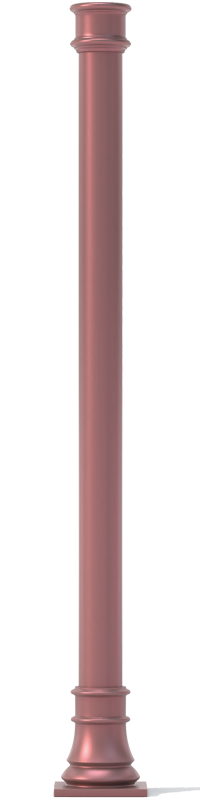
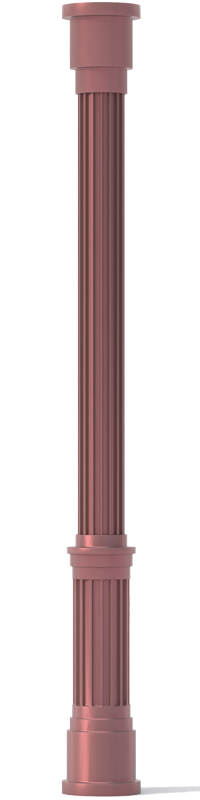
- The shafts are available in 5 diameters 60, 80 ,100, 140 and 200 mm, two models-designs  P1= smooth/round or P2= fluted/grooved

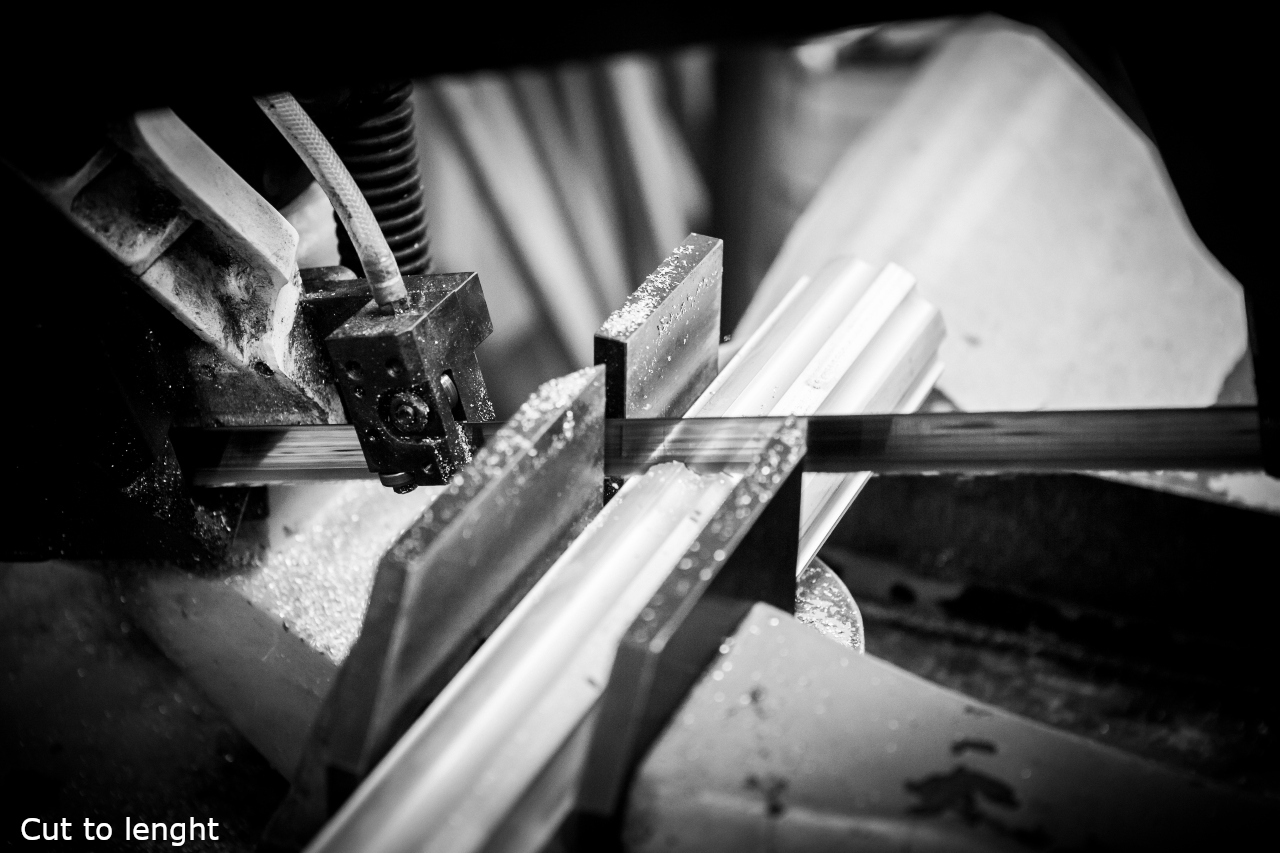
- We cut the shafts to your desired length. The maximum lenght of our shaft is 6 metres.

-The column can be used as a decorative element or as a load-bearing element

Decorative column:       

No restriction - all types of shafts are eligible

Load-bearing column:   

Under load, when the post has to offer bearing capacity, the wall tickness and the length of the post determine the application load and the buckling load.

        Via the buckling load report, you can determine which type of shafts are eligible.


  Our large range of ornaments 


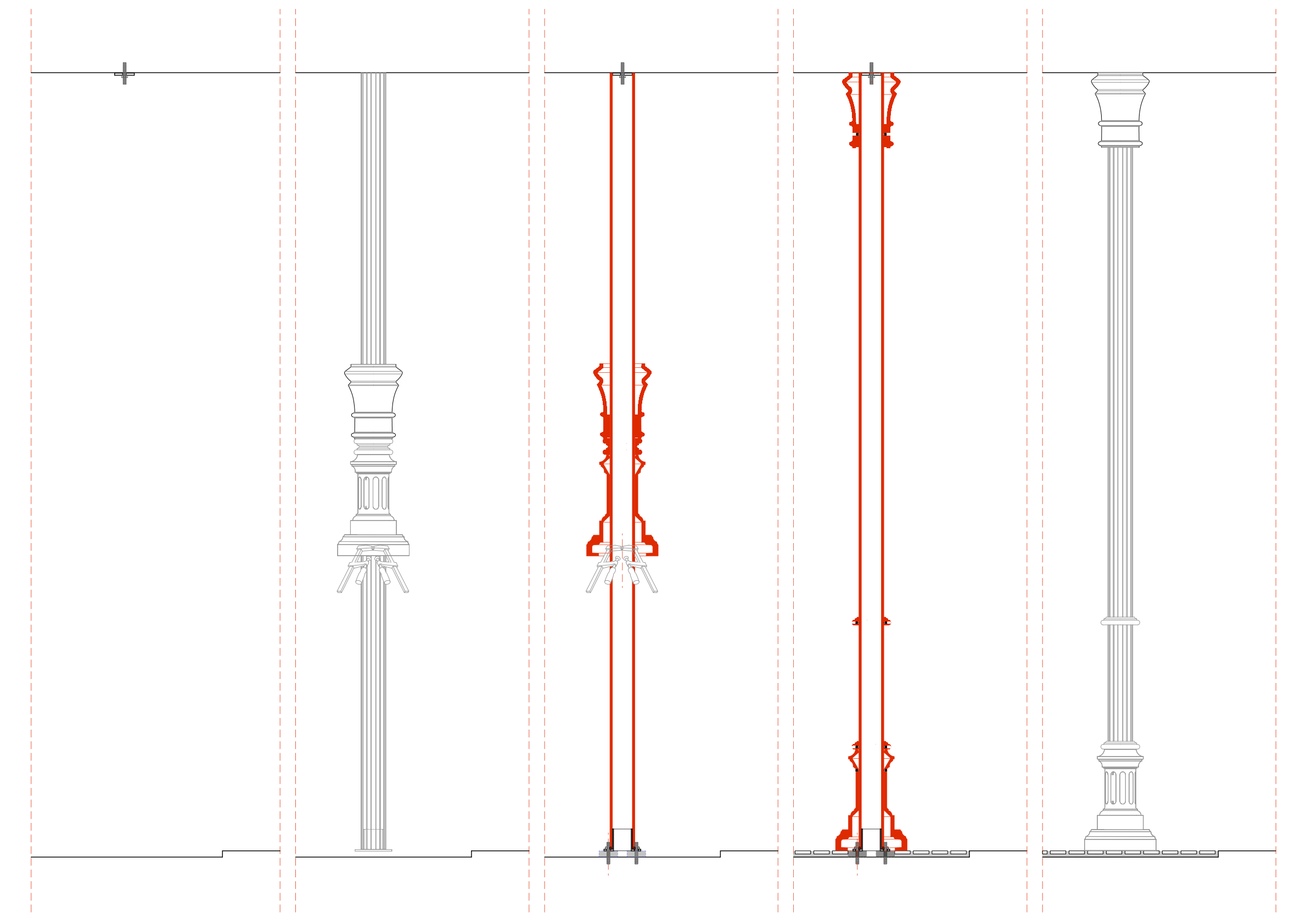
Our architectural and ornamental columns are fully modular. This means that all bases, capitals, rings and shafts whithin the same range of diameter can be selected independently. The whole of all elements is delivered in one kit. The composition of the column is done at the workplace.

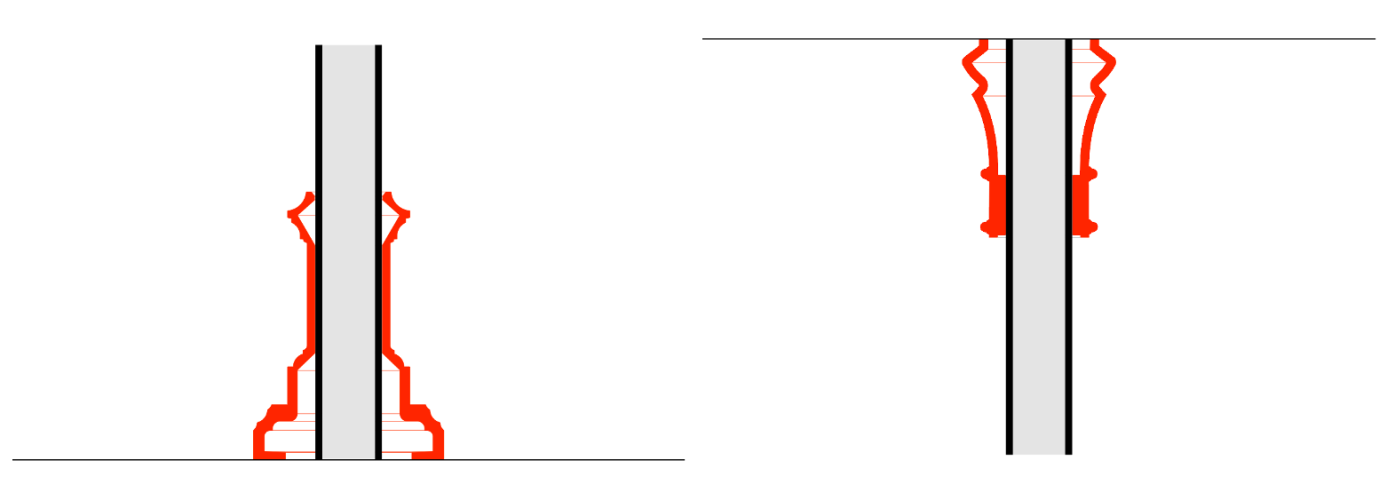
 Two types of ornaments : Non-structural and structural elements.

Non-structural ornements: ( pedestals, capitals and rings)

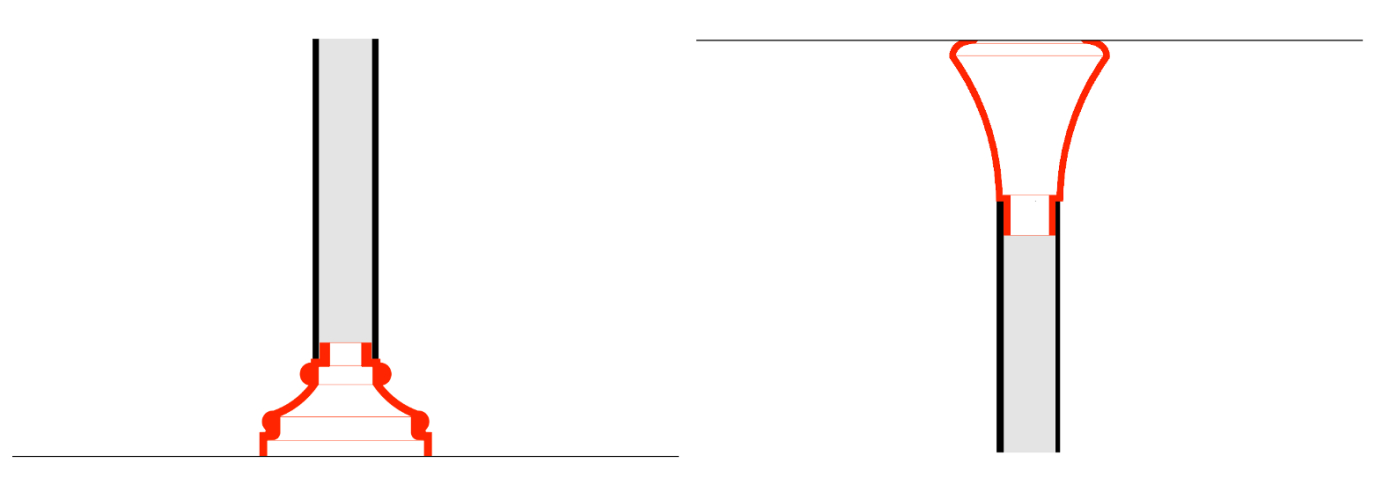
The shaft slides through the ornament.

Afbeelding2

Structural ornements: ( pedestals and capitals)

The shaft is placed on the pedestal. The height of the pedestal extends the column.

A structural capital comes on the top of the shaft and extending the column.

Afb1


Where is the column placed?

New situation:

Ornaments: all types ornements are eligible


Existing situation:

Replacement or placing a column in an existing environment.

Choose non-structural ornaments where a fixation plate DC-FIX B can be used.

Every situation is different, so you have to ask yourself: How do we place and fix the column?


New sitution + evacuation of rain water:

- Shaft minimum diameter : 100 mm

     DC-100 P1 - round shaft - inner diameter 90 mm

     DC-100 P2 - fluted shaft - inner diameter 82 mm

- Ornaments:

    Capitals: non strucutural element    

    Bases:

  • DC-100 TRAD ROY A,
  • DC-100 SQUA A or B
  • DC-100 SQUA ROY A or B
  • DC-100 SQUA A MAX or B MAX
  • DC-100 SQUA ROY A MAX or B MAX


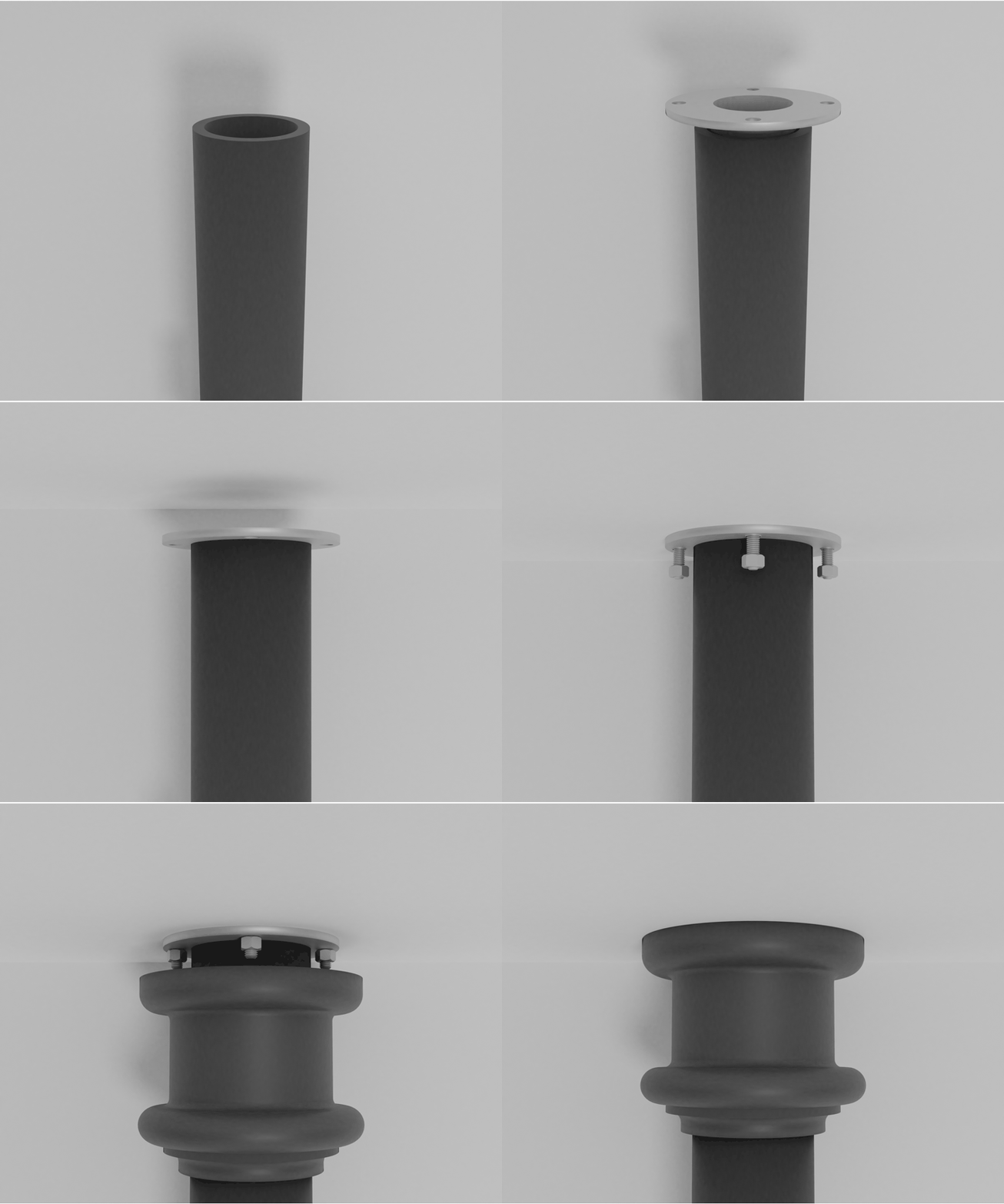
How to install our decorative column?


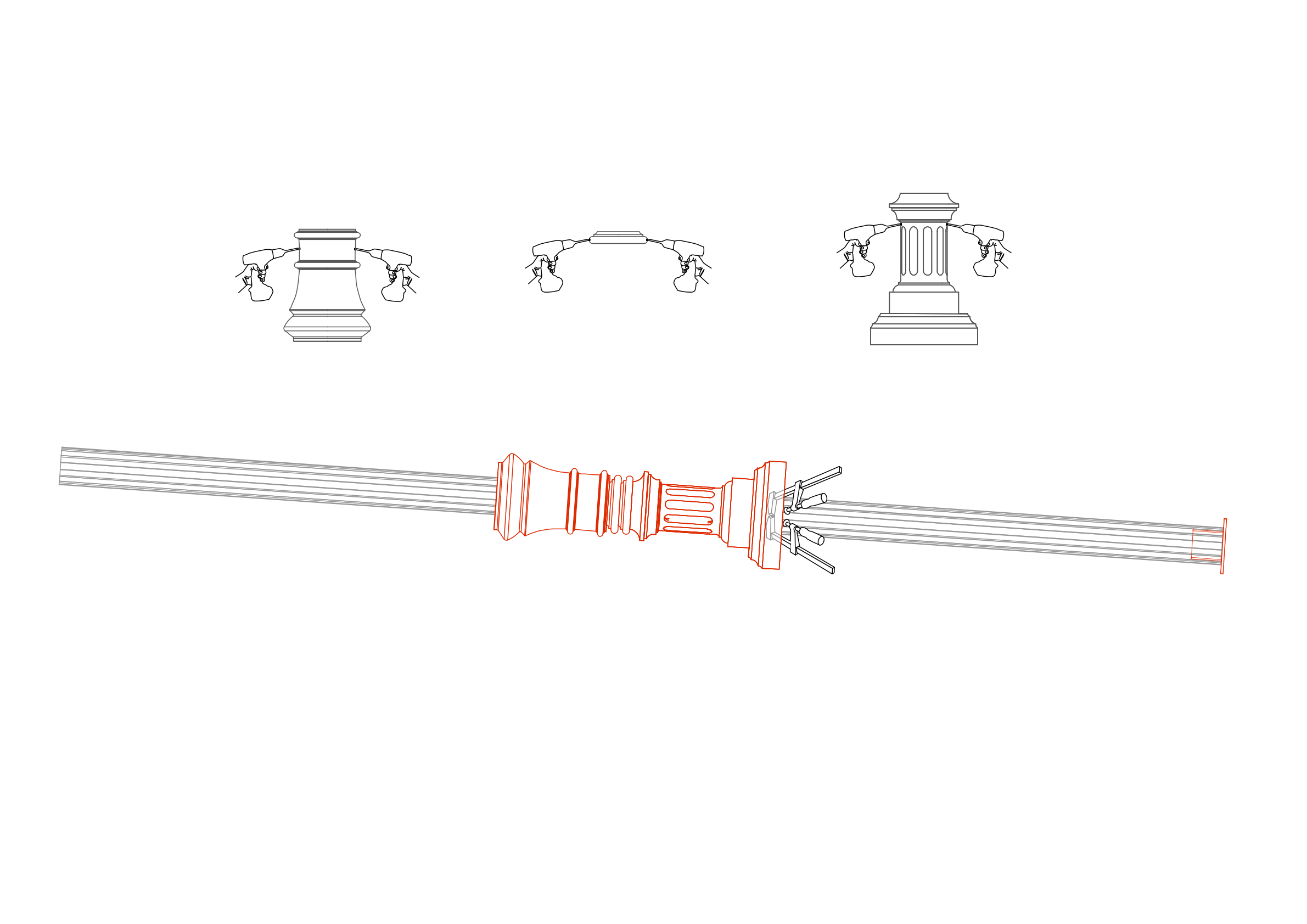
Preparing of the ornaments, preferably with drilling, tapping and grub screws 


MONTAGE 1 

 Mounting of the decorative column

montage

 Consult our catalog. Use the filters to obtain all possible ornaments with your possible limitations (such as buckling load, existing situation, drainage).


We use cookies on our website. Some of them are essential for the operation of the site, while others help us to improve this site and the user experience (tracking cookies). You can decide for yourself whether you want to allow cookies or not. Please note that if you reject them, you may not be able to use all the functionalities of the site.

Ok